First Aid Awareness Raising and Demonstration Project: Saving Lives One Skill at a Time
First Aid Awareness Raising and Demonstration Project: Saving Lives One Skill at a Time
Table of Contents:
- Introduction
- The Importance of First Aid Awareness
- The Need for a Demonstration Project
- Planning the Project
- Setting Clear Objectives
- Targeting the Right Audience
- Collaborations and Partnerships
- Designing Engaging Workshops
- Training the Trainers
- Practical Demonstration Sessions
- Monitoring and Evaluation
- Measuring the Impact
- Challenges Faced
- Success Stories
- Conclusion
Introduction
First aid is a fundamental skill that can make a significant difference in emergency situations. It can be the difference between life and death. However, many people lack basic first aid knowledge. In this article, we will explore the concept of a "First Aid Awareness Raising and Demonstration Project" and its importance in equipping individuals with life-saving skills.

The Importance of First Aid Awareness
Recognizing the Need
Accidents can happen anywhere, at any time. From minor cuts and bruises to more severe incidents like cardiac arrests or choking, knowing how to respond promptly and effectively can save lives. Sadly, many individuals are unprepared when faced with such situations.
Understanding the Scope of Emergencies
One of the foundational aspects of promoting first aid awareness is recognizing the broad spectrum of emergencies that can occur in our daily lives. These emergencies can range from minor incidents like cuts, scrapes, and burns to more critical situations such as cardiac arrests, choking, or severe injuries due to accidents.
The Unpredictability of Emergencies
Emergencies are, by nature, unpredictable. They don't come with warnings or schedules. They can happen at any time and in any place, whether at home, work, school, or while engaging in recreational activities. It's this unpredictability that highlights the critical need for individuals to possess basic first aid knowledge.
The Role of Immediate Response
In many emergency situations, the time it takes for professional help to arrive can be the difference between life and death. Recognizing the need for first aid means understanding that immediate response can be a crucial factor in preventing a situation from deteriorating. It's about acknowledging that the actions taken within the first few minutes of an emergency can significantly impact the outcome.
Empowering Bystanders
In many emergencies, bystanders are often the first people on the scene. Recognizing the need for first aid involves empowering these bystanders with the skills and knowledge to take action effectively. When individuals can step in and provide immediate assistance, they become a vital link in the chain of survival.
Reducing Panic and Anxiety
Recognizing the need for first aid is also about addressing the psychological aspect of emergencies. Panic and anxiety are common reactions in high-stress situations. When people have the confidence of knowing what to do, it can help reduce panic and enable them to act calmly and decisively.
Encouraging a Culture of Preparedness
Ultimately, recognizing the need for first aid goes beyond individual actions. It involves fostering a culture of preparedness within communities. When people recognize the importance of first aid and actively seek to acquire these skills, it creates a safer and more resilient environment for everyone.
The Role of Education
Education plays a pivotal role in recognizing the need for first aid. Many individuals may not fully grasp the significance of these skills until they receive proper education and training. Through workshops, demonstrations, and awareness campaigns, people can gain a better understanding of why first aid is not just a valuable skill but a fundamental aspect of community well-being.
In summary, recognizing the need for first aid is about understanding the unpredictable nature of emergencies, the critical importance of immediate response, and the role that individuals can play in saving lives. It's a call to action, urging individuals and communities to prioritize first aid education and preparedness as a fundamental aspect of modern life.

Immediate Response
First aid is all about providing immediate assistance until professional help arrives. When done correctly, it can stabilize a person's condition and prevent the situation from worsening. Timely intervention can be the key to a positive outcome.
Time-Sensitive Nature of Emergencies
Immediate response in first aid refers to the rapid and appropriate actions taken by individuals in the moments immediately following an injury or medical emergency. It is characterized by the understanding that time is of the essence in such situations. The quicker and more effective the response, the greater the chances of a positive outcome.
Stabilizing the Situation
The primary goal of an immediate response is to stabilize the situation. This means taking steps to prevent the condition of the injured or ill person from worsening. In some cases, these actions can be life-saving. For example, in the case of severe bleeding, applying pressure to control the bleeding can prevent excessive blood loss and shock.
Importance of Basic First Aid Knowledge
Immediate response relies heavily on basic first aid knowledge. This includes knowing how to assess the situation, determine the nature of the injury or illness, and apply appropriate first aid techniques. For instance, knowing how to perform CPR (Cardiopulmonary Resuscitation) or the Heimlich maneuver in cases of choking can be crucial in saving a life.
Reducing Pain and Discomfort
Immediate response also involves providing comfort and relief to the injured or ill person. This includes offering reassurance, keeping the person calm, and minimizing pain or discomfort. For instance, in the case of a burn, immediate first aid may involve cooling the burn with running cold water to alleviate pain and prevent further tissue damage.
Preventing Complications
Timely and effective immediate response can prevent complications. For example, if someone is experiencing an allergic reaction, administering an epinephrine auto-injector promptly can halt the reaction and potentially save the person's life. Likewise, if someone is choking, dislodging the obstructing object immediately can prevent suffocation.
The Role of Bystanders
Immediate response is not limited to healthcare professionals. Bystanders, who are often the first on the scene of an emergency, play a crucial role in providing immediate assistance. Their quick actions can bridge the gap between the onset of an emergency and the arrival of professional medical help.
Confidence in Action
Education and training in first aid provide individuals with the confidence to take action during emergencies. This confidence is vital because it enables bystanders to act promptly and decisively, even in high-stress situations. It can mean the difference between life and death.
Empowering Communities
A culture of immediate response in first aid not only saves lives but also empowers communities to take care of their own members. It fosters a sense of responsibility and solidarity, knowing that individuals can rely on each other in times of crisis.
In conclusion, immediate response in first aid is about recognizing the time-sensitive nature of emergencies and taking swift, effective, and educated actions to stabilize the situation. It is a critical link in the chain of survival, and it emphasizes the importance of basic first aid knowledge and the role of individuals, including bystanders, in providing life-saving assistance.
The Need for a Demonstration Project
Addressing the Knowledge Gap
One of the main challenges in promoting first aid awareness is the lack of accessible training. Traditional courses may not be readily available or affordable for everyone. A demonstration project aims to bridge this gap by bringing first aid education to the community.
Identifying the Lack of Knowledge
Addressing the knowledge gap in first aid awareness involves recognizing that there is a significant deficit in the general population's understanding of basic first aid principles and techniques. This gap becomes evident when we consider that many people are unsure of how to respond to common emergencies.
The Consequences of Ignorance
Failure to address this knowledge gap can have serious consequences. In emergency situations, individuals who lack first aid knowledge may feel helpless, leading to delayed responses or even the exacerbation of injuries or illnesses. This lack of action can result in avoidable suffering and loss of life.
Accessibility and Affordability
One reason for the knowledge gap is the limited accessibility and affordability of traditional first aid courses. These courses often require both time and financial commitments that not everyone can afford. Addressing the gap means finding innovative ways to make first aid education more accessible to a broader audience.
The Role of Demonstration Projects
Demonstration projects play a crucial role in addressing the knowledge gap. By bringing first aid training directly to communities, workplaces, and schools, these projects remove barriers to access. They offer a more convenient and cost-effective way for people to learn life-saving skills.
Hands-On Learning
Demonstration projects emphasize hands-on learning, which is highly effective in addressing the knowledge gap. Practical demonstrations and interactive workshops allow participants to witness and practice first aid techniques. This experiential learning not only imparts knowledge but also builds confidence.
Customization for Specific Audiences
To effectively address the knowledge gap, it's important to tailor first aid training to specific audiences. Different groups may have unique needs and priorities. For instance, workplace first aid may focus on job-related injuries, while community-based projects may cover a broader range of scenarios.
Empowering Individuals
Addressing the knowledge gap is not just about transferring information; it's about empowering individuals to take action. When people feel confident in their ability to provide first aid, they are more likely to step in and help during emergencies. This empowerment can save lives.
The Ripple Effect
One of the benefits of addressing the knowledge gap is the ripple effect it can create. When individuals learn first aid skills, they often share this knowledge with family members, friends, and colleagues. This expands the pool of people who are prepared to respond to emergencies.
Building a Safer Society
Ultimately, addressing the knowledge gap in first aid contributes to building a safer and more resilient society. It reduces the vulnerability of communities to accidents and medical emergencies, and it promotes a culture of care and preparedness.
In summary, addressing the knowledge gap in first aid awareness is about recognizing the deficit in basic first aid knowledge and taking proactive steps to fill that gap. By making first aid education accessible, hands-on, and tailored to specific audiences, we can empower individuals to be better prepared and, in turn, create safer and more compassionate communities.
Hands-On Learning
People learn best through practical experience. Watching and participating in demonstrations make the learning process engaging and memorable. It empowers individuals with the confidence to take action when it matters most.
Engaging the Senses
Hands-on learning is an educational approach that actively involves participants in the learning process through physical activities and direct experiences. In the context of first aid, it means moving beyond theoretical knowledge and engaging the senses to practice and internalize life-saving skills.
Realistic Simulations
One of the key elements of hands-on learning in first aid is the use of realistic simulations. Participants are exposed to scenarios that mimic real-life emergencies, allowing them to apply their knowledge and skills in situations that closely resemble what they might encounter in the field.
Benefits of Hands-On Learning
Retention of Knowledge: Research shows that people retain information better when they actively participate in learning rather than passively receiving it. Hands-on learning helps individuals remember first aid techniques more effectively.
- Building Muscle Memory: First aid often requires precise actions, such as performing CPR or applying a tourniquet. Hands-on learning helps participants build muscle memory, ensuring they can perform these actions correctly under pressure.
- Boosting Confidence: By practicing first aid skills in a controlled environment, participants gain confidence in their abilities. This confidence is vital when they need to apply those skills during an actual emergency.
- Enhancing Problem-Solving: Hands-on learning encourages critical thinking and problem-solving. Participants must assess situations, make decisions, and adapt their actions accordingly.
- Improving Communication: Effective communication is crucial in first aid scenarios, especially when dealing with bystanders or coordinating with emergency services. Hands-on learning often includes communication skills as a component.
- Overcoming Anxiety: Many people feel anxious or stressed during emergencies. Hands-on learning helps participants become more comfortable with the sight of injuries, the sounds of distress, and the urgency of action, reducing anxiety when they face real situations.
Components of Hands-On Learning
Hands-on learning in first aid typically involves several components:
- Demonstrations: Trainers demonstrate techniques, providing a clear example for participants to follow.
- Practice: Participants actively practice techniques on training manikins, fellow participants, or other appropriate props.
- Scenarios: Realistic scenarios are created to simulate emergencies. Participants must apply their skills in these scenarios, often with actors portraying injured individuals.
- Feedback: Instructors provide feedback on participants' performance, helping them improve their skills.
- Skill Stations: Stations are set up for specific skills like wound dressing, bandaging, and CPR. Participants rotate through these stations to gain proficiency in various techniques.
Role in First Aid Training
Hands-on learning is a cornerstone of effective first aid training. It ensures that participants not only understand the theory behind first aid but also can apply their knowledge in practical situations. It's through hands-on practice that individuals become competent and confident in providing immediate assistance during emergencies.
In summary, hands-on learning in first aid is an experiential approach that engages participants physically and mentally. It offers numerous benefits, including improved retention of knowledge, increased confidence, and the development of crucial life-saving skills. By actively involving individuals in realistic simulations, hands-on learning equips them to respond effectively and make a difference in emergency situations.
Planning the Project
Setting Clear Objectives
Before launching a first aid awareness project, it's crucial to define clear objectives. What are the specific skills and knowledge you want participants to gain? Setting SMART (Specific, Measurable, Achievable, Relevant, Time-Bound) goals is essential.
Let's delve deeper into the concept of "Setting Clear Objectives" in the context of a First Aid Awareness Raising and Demonstration Project:
Defining Purpose and Direction
Setting clear objectives is a fundamental step in the planning and execution of a First Aid Awareness Raising and Demonstration Project. It involves defining the purpose, direction, and specific outcomes that the project aims to achieve. Clear objectives serve as a roadmap, guiding every aspect of the project.
The SMART Approach
A widely recognized and effective method for setting clear objectives is the SMART criteria:
- Specific: Objectives should be well-defined and precise. They answer the questions: What do we want to achieve? Who is involved? Where will it happen? When will it be accomplished? Why is it important?
- Measurable: Objectives should be quantifiable, allowing for the measurement of progress and success. They involve concrete criteria that can be used to evaluate whether the objective has been met.
- Achievable: Objectives should be realistic and attainable. They should challenge participants but not be so ambitious that they become unattainable. Adequate resources and support must be available to reach the objectives.
- Relevant: Objectives should align with the overall purpose of the project. They should be relevant to the target audience and the broader goals of promoting first aid awareness.
- Time-Bound: Objectives should have a specific timeframe for completion. Setting deadlines helps create a sense of urgency and ensures that progress is monitored consistently.
Examples of Clear Objectives
Here are examples of clear objectives for a First Aid Awareness Raising and Demonstration Project:
- Specific: By the end of the project, 500 community members will be trained in basic first aid skills, including CPR and wound management.
- Measurable: We will track the number of participants who successfully complete the training and can demonstrate competency in the covered first aid techniques.
- Achievable: We will collaborate with local healthcare organizations and secure the necessary training materials and certified instructors to ensure the project's success.
- Relevant: The project objectives align with the goal of increasing first aid awareness and skills within the community, thereby improving emergency response.
- Time-Bound: The project will be completed within six months, with regular assessments and milestones set along the way to track progress.
Benefits of Setting Clear Objectives
- Focus: Clear objectives provide a clear focus for the project team, helping them prioritize activities and resources.
- Measurement: Well-defined objectives make it easier to measure progress and assess whether the project is on track to achieve its goals.
- Motivation: Objectives create a sense of purpose and motivation among project participants, as they have a clear understanding of what they are working toward.
- Accountability: Objectives hold project stakeholders accountable for their roles and responsibilities, ensuring that everyone is aligned with the project's direction.
- Adaptability: If objectives are not being met as expected, they provide a basis for making informed adjustments and improvements to the project plan.
Adapting Objectives as Needed
It's important to note that objectives should not be set in stone. As the project progresses, it may become necessary to adapt objectives based on changing circumstances or new insights. Being flexible while staying aligned with the project's overall purpose is key to achieving success.
In summary, setting clear objectives in a First Aid Awareness Raising and Demonstration Project is a critical step in defining the project's purpose, direction, and desired outcomes. Using the SMART criteria ensures that objectives are specific, measurable, achievable, relevant, and time-bound, providing a solid foundation for successful project planning and execution.
Targeting the Right Audience
Not everyone needs the same level of first aid knowledge. Tailoring the project to the target audience ensures that the training is relevant and effective. Consider demographics, location, and specific needs.
Identifying the Most Relevant Participants
Targeting the right audience in a First Aid Awareness Raising and Demonstration Project is a crucial step to ensure that the training and education efforts are effective and impactful. It involves identifying and tailoring the program to individuals or groups who will benefit the most from learning first aid skills.
Understanding Diverse Needs
Different demographics and groups may have varying levels of familiarity with first aid and unique needs. Targeting the right audience means understanding these diverse needs and tailoring the training to address them effectively.
Demographics and Characteristics
Consider the following factors when determining the right audience:
- Age: Are you targeting children, teenagers, adults, or seniors? Different age groups may require different teaching approaches.
- Location: Are you focusing on urban or rural areas? The type of emergencies people encounter can vary significantly based on location.
- Occupation: Workplace first aid may differ from community-based training, with specific hazards and scenarios to address.
- Language: Ensure that the training materials and instructors can communicate effectively with the chosen audience, taking into account language preferences and cultural sensitivity.
- Existing Knowledge: Assess the baseline knowledge of the audience. Some groups may have some prior knowledge of first aid, while others may be starting from scratch.
Tailoring the Training
Once the right audience is identified, the training program can be tailored to meet their specific needs. This may include:
- Content Customization: Adjusting the curriculum to focus on the most relevant first aid skills and scenarios for the chosen audience. For example, schoolchildren might need training on playground injuries, while workplace training may emphasize occupational hazards.
- Teaching Methods: Adapting teaching methods to suit the learning styles and preferences of the audience. Interactive and engaging methods work well for children, while adults may prefer more in-depth explanations.
- Resources and Materials: Providing training materials and resources in formats that are accessible and understandable to the audience. This may involve simplifying language, using visuals, or providing translated materials for non-native speakers.
- Practical Relevance: Ensuring that the training scenarios and demonstrations resonate with the audience's daily lives. Relatable scenarios make it easier for participants to understand the importance of first aid skills.
Benefits of Targeting the Right Audience
- Increased Relevance: Training that aligns with the audience's specific needs and experiences is more likely to resonate and be perceived as relevant.
- Higher Engagement: Tailored training methods can lead to higher engagement and better retention of knowledge, as participants are more interested and invested in the content.
- Greater Impact: When the right audience is targeted, the potential for the project to have a significant impact on the community is enhanced. Trained individuals are more likely to use their skills when they encounter emergencies.
- Efficient Resource Allocation: By focusing resources on the most relevant audience, the project can use its budget and manpower more efficiently, maximizing the reach and effectiveness of the training.
Ongoing Assessment and Adaptation
It's important to note that the choice of the right audience is not a one-time decision. Ongoing assessment and feedback collection are essential to ensure that the training remains relevant and effective. As circumstances change or new needs emerge, the project can adapt its audience targeting and training methods accordingly.
In summary, targeting the right audience in a First Aid Awareness Raising and Demonstration Project involves identifying the individuals or groups who will benefit the most from first aid training. Tailoring the program to their specific needs, demographics, and characteristics enhances the relevance and impact of the training, ultimately increasing the chances of creating a safer and more prepared community.
Collaborations and Partnerships
Joining Forces
Collaborating with local organizations, schools, or healthcare providers can enhance the project's reach and impact. Partnerships can provide resources, expertise, and a wider network for promotion.
Designing Engaging Workshops
Interactive workshops are key to keeping participants engaged. Incorporate real-life scenarios, role-playing, and multimedia presentations to make the learning experience enjoyable and educational.
Training the Trainers
Building a Skilled Team
Investing in training trainers is a vital part of the project. These individuals will be responsible for passing on their knowledge, so they must be well-equipped with the latest first aid techniques.
Practical Demonstration Sessions
Hands-on training sessions are the heart of the project. Participants should have the opportunity to practice what they've learned under the guidance of skilled trainers.
Monitoring and Evaluation
Assessing Progress
Regularly monitor the project's progress to ensure it's meeting its objectives. Collect feedback from participants and make necessary adjustments to improve the quality of training.
Measuring the Impact
Track the impact of the project by recording successful interventions and assessing how many lives have been positively affected by the first aid skills learned.
Challenges Faced
Overcoming Obstacles
Every project faces challenges. Whether it's funding constraints, logistical issues, or low participation rates, addressing these challenges is essential for the project's success.
Success Stories
Real-Life Heroes
Share inspiring stories of individuals who have used their first aid knowledge to save lives. These success stories can motivate others to learn and get involved.
Conclusion
The "First Aid Awareness Raising and Demonstration Project" is not just about teaching skills; it's about empowering individuals to become everyday heroes. By equipping people with the knowledge and confidence to respond in emergencies, we can make our communities safer and save lives.
FAQs
What is the main goal of a first aid awareness project?
The main goal is to equip individuals with the knowledge and skills to provide immediate assistance in emergency situations.
Who can benefit from participating in a demonstration project?
Anyone can benefit, but the project can be tailored to specific audiences, including schools, workplaces, and communities.
How can I get involved in a first aid awareness project?
Look for local organizations or initiatives that offer first aid training or consider starting one in your community.
Is first aid training expensive?
It doesn't have to be. Many organizations offer affordable or free first aid courses, and demonstration projects aim to make training accessible.
Can first aid skills really save lives?
Absolutely. Timely and effective first aid can make a significant difference in emergency situations and save lives.
Care for homeless children being safe and responsible. Electrical source or try to move it by using a non conducting object prevent shock by lying the child down and raising the legs.
First aid health club. This demonstration project would offer training. Project trust I have to celebrate an international day with my students.
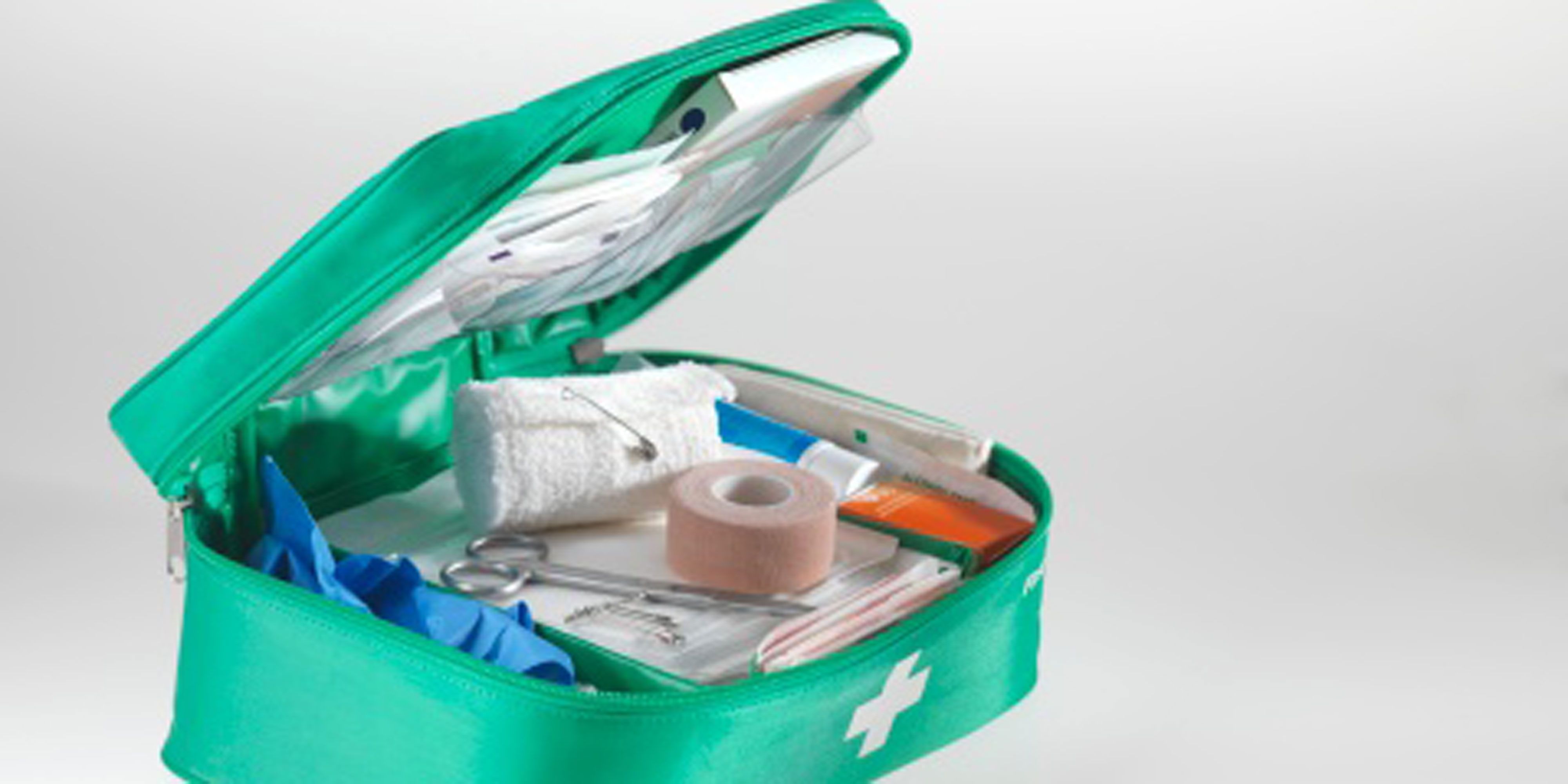 First Aid What Everybody Should Know
Project On First Aid
First Aid Talks Demonstration Request Form St Andrews First Aid
Project On First Aid
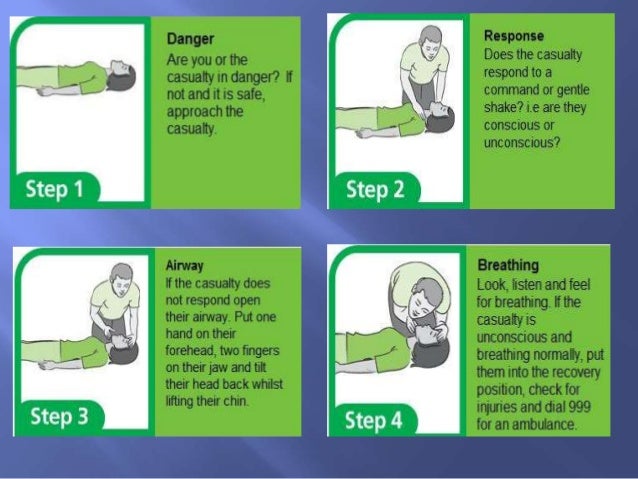 First Aid Ppt
The Scottish First Aid Awards Nominees St Andrews First Aid
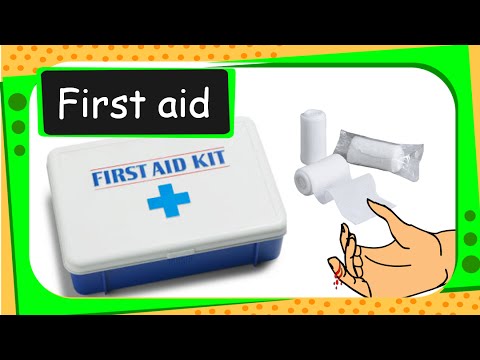 Science What Is First Aid And How To Give First Aid For Children
 4 Ways To Do Basic First Aid Wikihow
4 Ways To Do Basic First Aid Wikihow
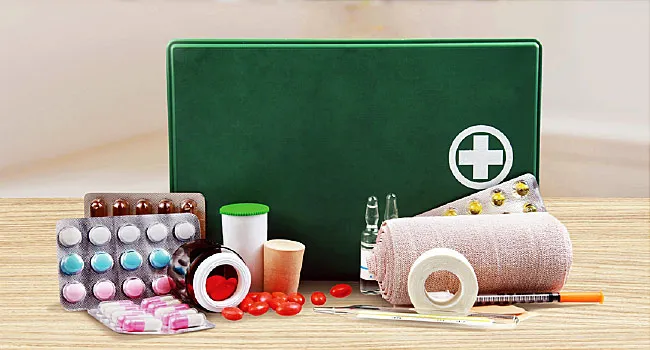 First Aid Kits Treatment First Aid Information For First Aid Kits
Projects Done Icwc India
 First Aid
First Aid
First Aid And Health Safety For Disasters
Aware Resilient Home
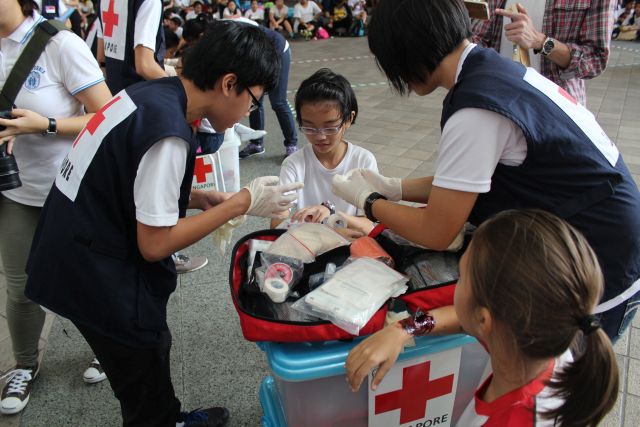 Red Cross Youth Programs


