Exploring the World of Men's Fashion Hiking Boots
Exploring the World of Men's Fashion Hiking Boots
When it comes to the world of fashion, the focus is not only on looking good but also feeling comfortable and confident in what you wear. One area of fashion that perfectly combines style and functionality is men's fashion hiking boots. These versatile and rugged footwear options have evolved over the years to become a must-have in any modern man's wardrobe. In this comprehensive guide, we'll delve into the world of men's fashion hiking boots, exploring their history, style variations, key features, and how to choose the perfect pair for your outdoor adventures.

A Brief History of Hiking Boots
Before we dive into the latest trends and styles, let's take a step back in time to understand the origins of hiking boots. The history of hiking boots can be traced back to the early 20th century when outdoor enthusiasts and mountaineers needed reliable footwear for their expeditions. These early hiking boots were often made of heavy leather and featured thick soles to provide stability on rugged terrains.
As time passed, hiking boots underwent significant transformations. Advances in materials and technology led to the development of lighter and more comfortable boots. Today, hiking boots are not just functional but also fashionable, making them a go-to choice for outdoor enthusiasts and fashion-conscious individuals alike.
The history of hiking boots in more detail
The history of hiking boots can be traced back to a time when outdoor exploration and mountaineering were gaining popularity in the late 19th and early 20th centuries. During this era, there was a growing need for sturdy and reliable footwear that could withstand the rigors of the great outdoors.
- Early Origins: Hiking boots, in their earliest form, were more like heavy-duty leather boots. These boots were designed primarily for practicality and durability. They were often handmade and featured thick, rugged leather uppers and soles. These early boots provided essential protection and support for adventurers traversing rugged terrains and scaling mountains.
- Vibram Sole Innovation: A significant advancement in hiking boot history came in the 1930s when Italian mountaineer Vitale Bramani (hence the name Vibram) developed a new type of rubber sole. This innovation greatly improved traction and grip, making hiking boots safer and more reliable on slippery and uneven surfaces.
- Post-War Evolution: After World War II, there was an increased interest in outdoor activities and hiking. Hiking boots started to evolve, becoming more specialized. They incorporated features like reinforced toes for protection, padded ankle collars for comfort, and lacing systems that allowed for a customized fit.
- 1960s and 1970s: Rise of Backpacking: The 1960s and 1970s marked a period of significant change in hiking boot design. With the rise of backpacking as a popular outdoor activity, boots had to accommodate the increased weight of backpacks. This led to the development of mid-cut and high-cut boots that provided better ankle support.
- Synthetic Materials: As technology advanced, hiking boots began to incorporate synthetic materials like nylon and Gore-Tex. These materials made the boots lighter, more breathable, and often waterproof, greatly enhancing their comfort and versatility.
- Modern Fashion and Style: In recent decades, hiking boots have transcended their original purpose. They have become a fashion statement, and brands have introduced a wide range of stylish designs to cater to a broader audience. Now, you can find hiking boots that are just as at home on city streets as they are on mountain trails.
Today, hiking boots continue to evolve with cutting-edge materials and technology. They cater to diverse needs, whether you're a serious mountaineer, a casual hiker, or someone looking to make a fashion statement. The rich history of hiking boots reflects not only their functional evolution but also their enduring appeal as a symbol of adventure, durability, and style.
Style Meets Functionality
One of the standout features of men's fashion hiking boots is their ability to seamlessly blend style with functionality. These boots come in a wide range of designs, ensuring that you can find the perfect pair to match your personal style. Whether you prefer a classic and rugged look or a sleek and modern aesthetic, there's a hiking boot for everyone.
1. Classic Leather Hiking Boots
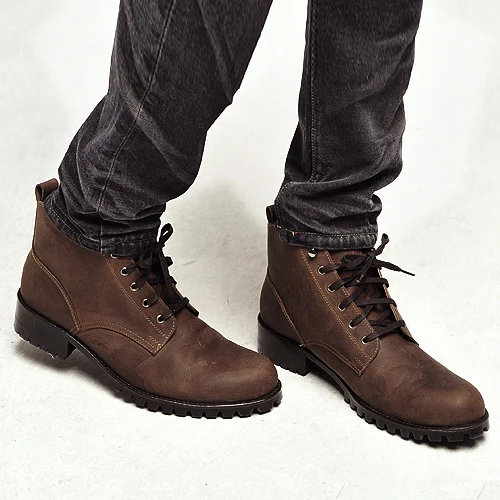
For those who appreciate timeless fashion, classic leather hiking boots are a top choice. Crafted from high-quality leather, these boots exude a sense of sophistication and durability. They are perfect for pairing with jeans, adding a rugged edge to your casual outfit.
Let's take a closer look at Classic Leather Hiking Boots.
Classic Leather Hiking Boots: These boots are timeless in both their design and durability. They are often the preferred choice for individuals who appreciate a traditional, rugged look and value the highest quality materials. Here's a more detailed explanation:
- Material: Classic leather hiking boots are crafted primarily from high-quality, full-grain leather. Full-grain leather is the top layer of the hide, known for its natural beauty and resilience. It's thick, sturdy, and resistant to wear and tear. This type of leather not only provides exceptional durability but also develops a rich patina over time, making each pair unique.
- Design: The design of classic leather hiking boots is characterized by its simplicity and functionality. They typically feature a mid to high-cut design that provides excellent ankle support, making them suitable for more challenging terrains. The lacing system is often robust, allowing for a secure fit and better control over the tightness.
- Durability: These boots are built to withstand rugged conditions and extended use. The full-grain leather uppers offer superior protection against abrasions, rocks, and rough terrain. The thick soles provide stability and excellent traction on uneven surfaces, making them ideal for hiking, trekking, or even heavy-duty outdoor work.
- Comfort: While classic leather hiking boots may take some time to break in due to the stiffness of the leather, they become increasingly comfortable over time. The natural materials adapt to the shape of your feet, providing a customized fit and improved comfort. Some models come with cushioned insoles and padded collars for extra comfort during long hikes.
- Versatility: These boots are versatile in their use. They are not only suitable for outdoor adventures but can also be worn in everyday settings. Many people appreciate the rugged and masculine appearance of classic leather hiking boots, making them a fashion statement in urban environments as well.
- Maintenance: Maintaining classic leather hiking boots is essential to ensure their longevity and appearance. Regular cleaning and conditioning help preserve the leather's quality and prevent it from drying out or cracking.
Classic leather hiking boots are the epitome of timeless style and rugged functionality. They combine the durability of full-grain leather with a design that offers excellent support and protection for outdoor activities. Whether you're a seasoned hiker or simply looking for a pair of boots that exude both heritage and reliability, classic leather hiking boots are a top choice.
2. Modern Sneaker-Inspired Hiking Boots
If you're someone who values comfort and a contemporary appearance, sneaker-inspired hiking boots are the way to go. These boots feature lightweight materials and often resemble athletic sneakers while still providing the necessary support and traction for outdoor activities.
Let's delve deeper into the concept of Modern Sneaker-Inspired Hiking Boots.
Modern Sneaker-Inspired Hiking Boots: These boots represent a fusion of contemporary style and outdoor functionality. They are designed for individuals who prioritize comfort, a sporty aesthetic, and versatility. Here's a more detailed explanation:
- Materials: Modern sneaker-inspired hiking boots are often constructed using a combination of materials to achieve the best of both worlds. While they may feature leather or suede elements for durability, they also incorporate synthetic materials, mesh, and lightweight textiles to keep the boots light and breathable.
- Sneaker Aesthetics: What sets these boots apart is their resemblance to athletic sneakers. They often have a low or mid-cut design, similar to running or basketball shoes, making them look more sporty and less bulky compared to traditional hiking boots. This design choice appeals to those who want to maintain a fashionable and urban appearance even in outdoor settings.
- Lightweight: These boots prioritize lightweight construction. The materials used are chosen for their weight-reducing properties, making them ideal for individuals who prefer to move swiftly and comfortably on the trail. This lightweight design is particularly advantageous for day hikes and activities that involve a lot of walking.
- Cushioning and Comfort: Comfort is a key feature of modern sneaker-inspired hiking boots. They often come equipped with cushioned midsoles and insoles, providing a comfortable and supportive feel, similar to that of athletic shoes. This feature minimizes foot fatigue and allows for extended periods of wear without discomfort.
- Traction: While these boots may have a sporty appearance, they don't compromise on traction. The outsoles are designed to provide a firm grip on various terrains, including rocky paths and slippery surfaces. This ensures stability and safety during outdoor activities.
- Urban Versatility: Modern sneaker-inspired hiking boots are not limited to outdoor use. Their stylish design makes them suitable for everyday urban wear. Whether you're exploring the city or going for a casual night out, these boots can seamlessly transition from outdoor adventures to social settings.
- Water Resistance: Some modern sneaker-inspired hiking boots incorporate waterproof or water-resistant technology to keep your feet dry in wet conditions. This feature adds to their practicality and versatility.
- Lacing Systems: These boots often feature easy-to-use lacing systems, similar to those found on sneakers. This allows for quick adjustments and a secure fit.
Modern sneaker-inspired hiking boots are a contemporary take on traditional hiking footwear. They offer the perfect blend of style, comfort, and functionality, appealing to a wide range of individuals who want to enjoy the outdoors without sacrificing their sense of fashion. Whether you're hitting the trails or navigating the urban jungle, these boots are designed to keep you comfortable and looking good.
3. Waterproof Hiking Boots
For outdoor enthusiasts who don't want to let wet conditions deter them, waterproof hiking boots are a game-changer. These boots are equipped with advanced waterproofing technology, keeping your feet dry and comfortable even in rainy or muddy environments.
Waterproof Hiking Boots: These boots are specifically designed to keep your feet dry and comfortable in wet and challenging outdoor conditions. They are a crucial choice for hikers, backpackers, and outdoor enthusiasts who often find themselves facing rain, puddles, snow, or muddy terrains. Here's a more detailed explanation:
- Waterproofing Technology: The standout feature of waterproof hiking boots is their ability to keep water out. This is achieved through the use of advanced waterproofing technologies. Common waterproofing methods include the application of waterproof membranes like Gore-Tex or eVent, or the use of water-repellent treatments on the boot's upper material.
- Construction: Waterproof hiking boots are constructed to prevent water from seeping into the interior of the boot. They often have sealed seams and specially designed gusseted tongues that block moisture from entering through the lace eyelets. The construction ensures that your feet remain dry even in wet conditions.
- Breathability: While keeping water out is a top priority, these boots also focus on breathability. Waterproof membranes are designed to allow moisture and heat to escape from the inside of the boot, preventing your feet from becoming sweaty and uncomfortable. This breathability is vital to ensure overall comfort during long hikes.
- Versatility: Waterproof hiking boots are suitable for various outdoor activities, including hiking, trekking, camping, and even winter sports. They are a versatile choice for environments where wet conditions are a common occurrence. These boots provide protection not only from rain but also from wet grass, streams, and slushy terrain.
- Insulation: Some waterproof hiking boots come with insulation, making them suitable for cold-weather adventures. Insulated versions are designed to keep your feet warm in chilly temperatures while still offering waterproof protection. This feature is particularly useful for winter hiking and snowshoeing.
- Traction: Like other hiking boots, waterproof versions prioritize traction. They feature rugged outsoles with deep lugs and a durable tread pattern. This ensures that you have a secure grip on slippery surfaces, which is essential for safety when navigating wet and uneven terrains.
- Durability: Given their intended use in challenging conditions, waterproof hiking boots are typically built to be robust and durable. They are designed to withstand abrasions, rocks, and rough terrain, ensuring that they can withstand repeated use.
- Maintenance: To maintain the waterproofing capabilities of these boots, it's essential to follow proper care instructions. Regular cleaning and occasional reapplication of waterproofing treatments may be necessary to ensure the boots continue to perform at their best.
Waterproof hiking boots are an essential piece of gear for outdoor enthusiasts who want to explore nature in wet or challenging conditions. Their advanced waterproofing technology, combined with breathability and durability, makes them a reliable choice for keeping your feet dry and comfortable while enjoying the great outdoors. Whether you're hiking in the rain, crossing streams, or trekking through snow, these boots offer the protection you need to make the most of your outdoor adventures.
Key Features to Look for
When shopping for the perfect pair of men's fashion hiking boots, it's essential to pay attention to certain key features to ensure you get the best value for your money.
1. Comfortable Fit
A comfortable fit is paramount when choosing hiking boots. Look for boots with ample cushioning, arch support, and a snug fit to prevent discomfort during long hikes.
2. Traction
Traction is vital for stability on various terrains. Opt for boots with high-quality rubber outsoles that provide excellent grip on both wet and dry surfaces.
3. Durability
Invest in boots made from durable materials like full-grain leather or synthetic materials known for their longevity.
4. Breathability
Proper ventilation is crucial to keep your feet cool and dry. Some hiking boots come with breathable membranes to prevent moisture buildup.
Choosing the Perfect Pair
Selecting the right pair of hiking boots may seem overwhelming given the wide array of choices available. However, by considering your intended use, personal style, and the features mentioned above, you can make an informed decision.
The process of choosing the perfect pair of hiking boots:
Choosing the Perfect Pair of Hiking Boots: Selecting the right hiking boots is a critical decision that can greatly impact your comfort and safety during outdoor adventures. Here's a more detailed explanation of the factors to consider when making this important choice:
- Intended Use: Begin by considering the specific activities you plan to undertake. Are you primarily hiking on well-maintained trails, embarking on rugged backcountry treks, or engaging in a mix of activities like hiking, backpacking, and climbing? Different types of hiking boots cater to different terrains and purposes.
- Fit and Comfort: The most crucial aspect of choosing hiking boots is ensuring they fit your feet properly and provide exceptional comfort. Boots that are too tight can lead to blisters and discomfort, while boots that are too loose can cause instability. Look for boots that offer ample room for your toes while maintaining a snug fit around your heel and arch.
- Support and Stability: Consider the level of support you need. High-cut boots provide better ankle support and are ideal for rugged terrains and heavier loads, while low-cut boots are more lightweight and suitable for easier trails. Determine the type of support that matches your planned activities.
- Boot Weight: The weight of your hiking boots can significantly affect your overall comfort, especially during long hikes. Lightweight boots are generally more suitable for day hikes and less challenging terrain, while heavier boots may be necessary for carrying heavier loads or navigating rough trails.
- Traction: The outsole of your hiking boots is crucial for providing traction on various terrains. Look for boots with a robust lug pattern on the sole, as this enhances grip and stability. Consider the type of surfaces you'll encounter, including rocks, mud, snow, and wet conditions.
- Waterproofing: If you anticipate hiking in wet conditions or crossing streams, waterproof hiking boots are a wise choice. Ensure that the waterproofing technology used in the boots is reliable and that the seams and tongue are properly sealed to prevent water ingress.
- Breathability: Proper ventilation is essential to keep your feet dry and comfortable. Boots with breathable materials and moisture-wicking linings are ideal, especially if you plan to hike in warm weather.
- Durability: Assess the quality of materials and construction. Full-grain leather and well-stitched seams are indicators of durability. If you plan to use the boots frequently, invest in a high-quality pair that can withstand wear and tear.
- Try Before You Buy: Whenever possible, try on hiking boots in-store to assess fit and comfort. Wear the same type of socks you intend to use during your hikes. Walk around the store to evaluate how the boots feel, and pay attention to any pressure points or discomfort.
- Brand and Model: Research reputable brands and read reviews about specific boot models. Customer feedback can provide valuable insights into real-world performance.
- Budget: Hiking boots come in a wide price range. Set a budget based on your needs and the frequency of your outdoor activities. Keep in mind that investing in a quality pair of boots can pay off in terms of comfort and longevity.
- Break-In Period: Be aware that many hiking boots require a break-in period. Plan accordingly and wear them on shorter hikes before embarking on more extensive journeys.
By carefully considering these factors and assessing your individual needs, you can make an informed decision when choosing the perfect pair of hiking boots. Remember that comfort and functionality should always be a priority, as they are key to enjoying your outdoor adventures to the fullest.
Conclusion
Men's fashion hiking boots have come a long way from their humble beginnings as rugged outdoor gear. Today, they are an integral part of the fashion world, offering style and functionality in one package. Whether you're planning an adventurous hike or simply want to elevate your everyday style, investing in a quality pair of hiking boots is a decision you won't regret. So, step out in confidence, knowing that you're not only making a fashion statement but also preparing for your next outdoor adventure in style.
Eligible for free shipping and free returns. Free shipping available save 30 40 off select styles and gear up with stylish men's boots.

A Real Hiking Boot Is Tough Rough Keeps The Muck Out And Stands Up
"A Real Hiking Boot Is Tough, Rough, Keeps The Muck Out, And Stands Up" is a mnemonic or an acronym that can help you remember some of the key qualities and features of a reliable hiking boot. Let's break down each part of the phrase to understand its meaning:
- Tough: A good hiking boot should be tough, which means it should be durable and able to withstand the rigors of hiking. It should be constructed from high-quality materials that can endure rough terrain, rocky paths, and other challenging conditions without showing signs of wear and tear.
- Rough: Hiking boots need to handle rough conditions. This means they should have rugged outsoles with deep lugs for excellent traction. The rough outsoles help you maintain stability on uneven surfaces, such as rocky trails or slippery slopes.
- Keeps The Muck Out: This part emphasizes the importance of waterproof or water-resistant qualities in hiking boots. Hiking often involves encounters with wet conditions, like rain, streams, or muddy trails. Hiking boots that "keep the muck out" have effective waterproofing or moisture-repelling features to keep your feet dry and comfortable.
- Stands Up: A good hiking boot should stand up to the demands of the outdoors, as well as your personal needs. This implies that it should provide the necessary support for your feet and ankles. Depending on your activity level and the terrain you're navigating, you might need varying levels of ankle support, so choose a boot that matches your requirements.
In essence, this phrase serves as a reminder of the fundamental qualities that you should look for when selecting a hiking boot. It's a concise way to remember that hiking boots should be tough and durable, have rugged outsoles, offer protection against moisture, and provide the necessary support for your outdoor adventures.


