Home Security System Installation Cost | Complete Pricing Guide & Smart Security Tips
Home Security System Installation
Cost: Complete Guide to Pricing, Features, and Money-Saving Tips
Protecting your home and family has never been more important. Whether
you own a small apartment, a suburban house, or a luxury property, investing in
a home security system can provide peace of mind while helping deter
burglars, monitor your property, and respond quickly to emergencies. One of the
most common questions homeowners ask before upgrading their security is: What
is the home security system installation cost?
The answer depends on several factors, including the size of your home,
the type of security equipment you choose, professional versus DIY
installation, and whether you subscribe to professional monitoring services.
Understanding these costs in advance allows you to select a security solution
that fits both your needs and your budget.
In this comprehensive guide, we'll explore everything you need to know
about Home Security System Installation Cost, including pricing factors,
equipment options, installation methods, ongoing expenses, and practical tips
for maximizing your investment.

Why Install a Home Security System?
A modern security system offers much more than protection against
break-ins.
1. Protects Your Family
Security systems help safeguard your loved ones by providing:
- Intrusion
detection
- Emergency
alerts
- Fire and smoke
monitoring
- Carbon monoxide
detection
- Panic alarms
Quick notifications allow faster responses during emergencies.
2. Deters Criminal Activity
Visible security cameras, motion sensors, and alarm signage discourage
many potential intruders before they attempt to enter your property.
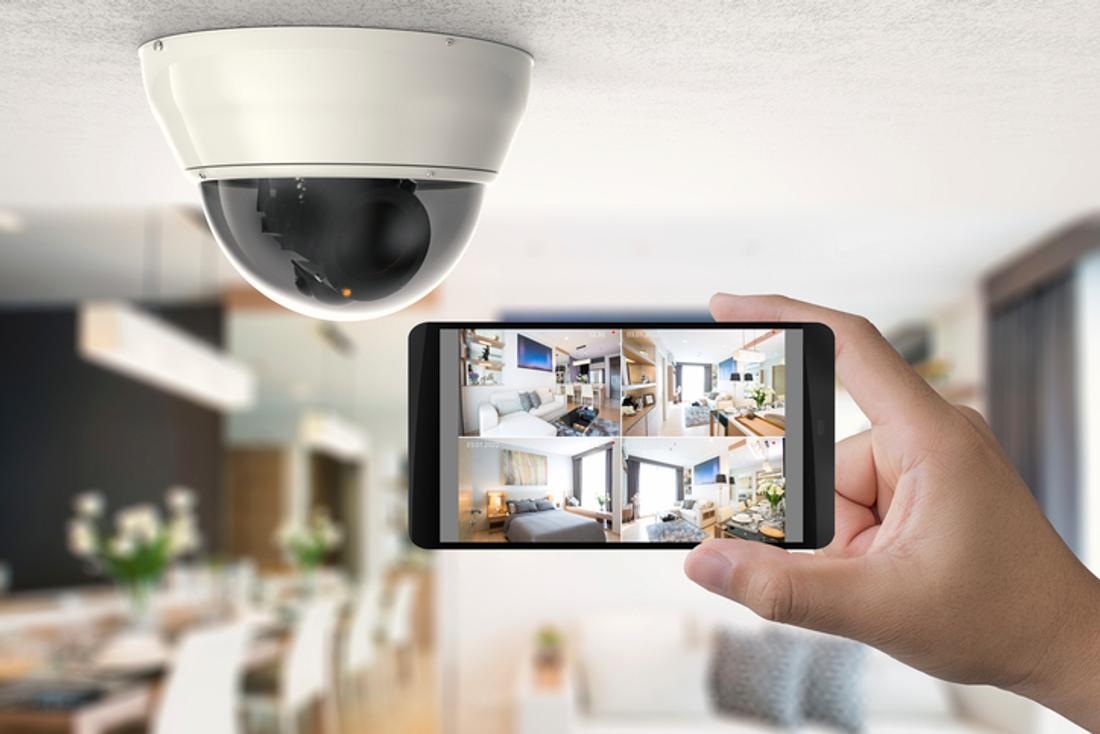
3. Remote Home Monitoring
Modern smart security systems allow homeowners to monitor their property
from virtually anywhere using a smartphone or tablet.
Features often include:
- Live video
streaming
- Motion
notifications
- Smart locks
- Video doorbells
- Remote alarm
control
4. Potential Insurance Savings
Some insurance providers offer discounts for homes equipped with professionally installed and monitored security systems. The amount varies depending on your insurer and policy.
Average Home Security System
Installation Cost
The total installation cost depends on the equipment selected and the
complexity of the installation.
Basic Security System
Typical features:
- Control panel
- Door sensors
- Window sensors
- Motion detector
- Mobile app
Suitable for:
- Apartments
- Small homes
- Rental
properties
Mid-Range Security System
Includes:
- Multiple
cameras
- Smart doorbell
- Smart locks
- Additional
sensors
- Remote
monitoring capabilities
Ideal for average-sized family homes.
Premium Security System
Luxury installations may include:
- AI-powered
surveillance cameras
- Facial
recognition
- Smart home
integration
- Outdoor
perimeter protection
- Environmental
monitoring
- Professional
24/7 monitoring
These systems provide comprehensive protection for larger or high-value
properties.
Factors That Affect Installation
Cost
Several variables influence the final price of a home security system.
Home Size
Larger homes require:
- More sensors
- Additional
cameras
- Extra wiring
(for wired systems)
- More
installation time
Consequently, installation costs typically increase with property size.
Number of Security Cameras
The more cameras you install, the higher the equipment and installation
costs.
Popular camera types include:
- Indoor cameras
- Outdoor
weatherproof cameras
- Floodlight
cameras
- Doorbell
cameras
- Pan-tilt-zoom
(PTZ) cameras
Wired vs Wireless Systems
Wired Systems
Advantages:
- Stable
connection
- Reliable
performance
- Less signal
interference
Disadvantages:
- Longer
installation time
- Higher labor
costs
- Best suited for
new construction or major renovations
Wireless Systems
Advantages:
- Faster
installation
- Flexible
placement
- Easy expansion
- Minimal wall
modifications
Wireless systems are often preferred for existing homes.
Professional Installation vs DIY
Professional Installation
Benefits include:
- Proper
equipment placement
- System testing
- Expert
configuration
- Warranty
support
Professional installation is recommended for larger or more complex
systems.
DIY Installation
DIY systems are generally:
- Less expensive
- Easier to
install
- Suitable for
apartments and smaller homes
However, proper setup and testing remain essential to ensure reliable
operation.

Essential Security System
Components
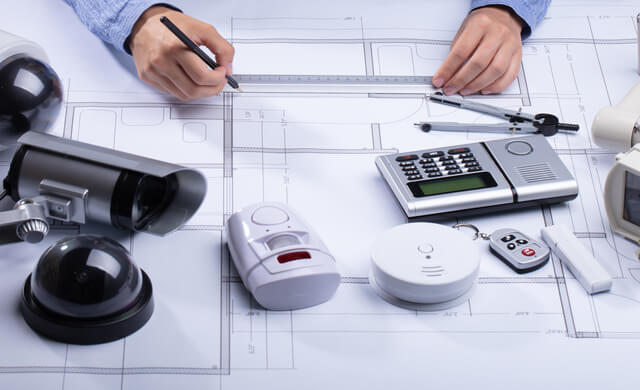
A complete home security system may include the following devices.
Control Panel
The control panel serves as the central hub, connecting and managing all
security devices.
Door and Window Sensors
These sensors detect unauthorized entry by monitoring when doors or
windows are opened.
Motion Detectors
Motion sensors monitor indoor activity and trigger alerts when unexpected
movement is detected.
Security Cameras
Modern cameras provide:
- High-definition
video
- Night vision
- Motion
detection
- Cloud or local
recording
- Two-way audio
Video Doorbell
A smart video doorbell allows homeowners to:
- See visitors
- Speak with
delivery drivers
- Monitor
front-door activity remotely
Smart Locks
Smart locks allow keyless entry and remote locking or unlocking through a
mobile app.
Smoke and Carbon Monoxide Detectors
Many integrated security systems also monitor for fire and dangerous gas
leaks, enhancing household safety.
Ongoing Costs to Consider
Beyond installation, homeowners should plan for ongoing expenses.
Professional Monitoring
Many providers offer optional 24/7 monitoring services that notify
emergency responders when alarms are triggered.
Monitoring plans vary by provider and features.
Cloud Video Storage
Some camera systems require a subscription to store recorded footage
securely in the cloud.
Others offer local storage via memory cards or network video recorders
(NVRs).
Equipment Maintenance
Routine maintenance may include:
- Battery
replacement
- Software
updates
- Camera cleaning
- Sensor testing
Regular maintenance helps ensure long-term reliability.
Smart Home Integration
Many modern security systems integrate seamlessly with smart home
devices.
Popular integrations include:
- Smart lighting
- Smart
thermostats
- Voice
assistants
- Garage door
controllers
- Automated
routines
For example, homeowners can automatically turn on outdoor lights when
motion is detected or lock all doors before bedtime with a single command.
Tips to Reduce Installation Costs
Homeowners can save money without compromising security by following
these strategies:
- Compare
multiple installation quotes.
- Choose only the
devices you truly need.
- Expand your
system gradually over time.
- Consider a
wireless system for easier installation.
- Bundle security
devices with compatible smart home products.
- Look for
seasonal promotions or package discounts.
Careful planning often delivers better value than simply choosing the
lowest-priced option.
Common Installation Mistakes to
Avoid
Avoid these common errors when planning a home security system:
- Installing too
few cameras
- Positioning
cameras with obstructed views
- Ignoring Wi-Fi
coverage for wireless devices
- Overlooking
outdoor lighting
- Forgetting
backup power options
- Skipping
routine maintenance
- Using weak or
reused passwords for connected devices
A thoughtful installation helps maximize both security and reliability.
Is a Home Security System Worth the
Investment?
For many homeowners, the answer is yes. A professionally planned security
system offers valuable protection against burglary, improves emergency
preparedness, and provides greater peace of mind. In addition to safeguarding
your property, smart security features can increase convenience through remote
monitoring and automation.
While installation costs vary depending on the size of the home and the
features selected, investing in a high-quality system often delivers long-term
value by enhancing safety, reducing potential losses, and, in some cases,
lowering insurance premiums.
Frequently Asked Questions (FAQ)
How much does a home security system
installation typically cost?
Costs vary depending on the size of the property, the number of devices,
and whether you choose professional or DIY installation. Basic systems
generally cost less than premium smart home security solutions.
Is a wired or wireless security system
better?
Wired systems offer excellent reliability and are ideal for new
construction, while wireless systems are easier to install and expand in
existing homes.
Can I install a home security system
myself?
Yes. Many modern wireless systems are designed for DIY installation.
However, professional installation may be preferable for larger homes or more
advanced setups.
Do security systems require monthly
fees?
Not always. Self-monitored systems may have no monthly cost, while
professionally monitored systems and cloud storage services typically require
ongoing subscriptions.
Does installing a security system
increase home value?
A modern security system can make a property more attractive to potential
buyers by improving safety, convenience, and smart home functionality.


