The Ultimate Guide to Dog Heat Rash: Understanding, Prevention, and Treatment
The Ultimate Guide to Dog Heat Rash: Understanding, Prevention, and Treatment
Learn all about dog heat rash, including symptoms, causes, prevention, and treatment. Keep your furry friend comfortable and healthy during hot weather!

Introduction:
Dog heat rash, also known as acute moist dermatitis or hot spots, is a common skin condition that affects dogs, particularly during hot and humid weather. These rashes can cause discomfort and itching for your furry friend, but with proper understanding, prevention, and treatment, you can help your dog stay healthy and happy.
Dog Heat Rash Explained
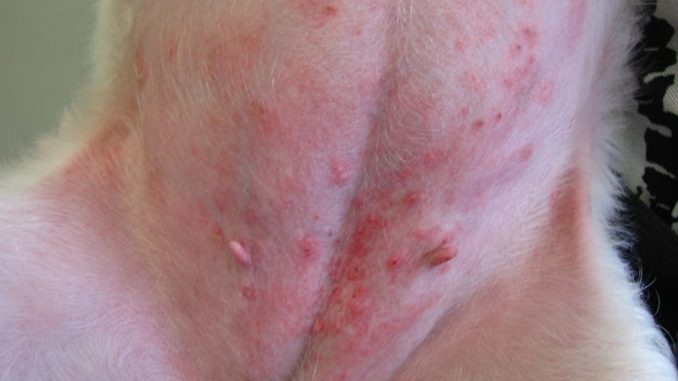
Dog heat rash is a skin irritation caused by various factors, including heat, moisture, and friction. It often appears as red, inflamed patches on your dog's skin, which may ooze pus and cause intense itching. These rashes can develop anywhere on your dog's body but are commonly found in areas with less fur, such as the belly, groin, and armpits.
Dog heat rash, scientifically known as acute moist dermatitis or hot spots, is a common skin condition among dogs, particularly in breeds with dense coats or those living in hot and humid climates. These rashes typically occur due to a combination of factors, primarily heat, moisture, and friction.
When a dog's skin becomes overheated, either due to environmental conditions or inadequate grooming, it can lead to excessive sweating and moisture buildup, especially in areas with less fur, such as the belly, groin, and armpits. This moisture creates a perfect breeding ground for bacteria and yeast, which can irritate the skin and cause inflammation. Additionally, friction from scratching or rubbing can further aggravate the skin, leading to the formation of red, inflamed patches known as hot spots.
Hot spots are characterized by their moist, oozing lesions and intense itching, which often prompt dogs to scratch or lick the affected area incessantly, exacerbating the condition. The scratching and licking can damage the skin's protective barrier, making it more susceptible to bacterial infections. If left untreated, hot spots can quickly worsen, leading to pain, discomfort, and potential complications. Therefore, it's essential for dog owners to recognize the signs of heat rash and take proactive measures to prevent and treat it effectively.

Causes of Dog Heat Rash
Dog heat rash can be attributed to various factors, all contributing to the irritation and inflammation of the skin. Understanding these causes is crucial for effective prevention and management of this condition.
Hot Weather:
One of the primary causes of dog heat rash is exposure to hot and humid weather. Dogs, especially those with thick fur coats, are prone to overheating in high temperatures. When dogs sweat, primarily through their paw pads and noses, it evaporates to cool their bodies. However, in excessively hot conditions, this mechanism might not be enough, leading to increased moisture and heat retention in their skin.
Poor Grooming:
Inadequate grooming practices can also contribute to the development of heat rash in dogs. Dogs with long or dense fur are particularly susceptible because their coats can trap heat and moisture close to their skin. When fur becomes matted or tangled, it creates pockets where moisture accumulates, providing an ideal environment for bacterial growth and skin irritation.
Skin Irritants:
Contact with irritants such as grass, pollen, chemicals, or even soap residue can aggravate a dog's skin, leading to inflammation and the onset of heat rash. Dogs who spend a lot of time outdoors may come into contact with these irritants, especially if they roll around or lie down on grassy or dusty surfaces.
Flea Infestations:
Fleas are not only annoying pests but can also contribute to skin issues in dogs. Flea bites cause intense itching, prompting dogs to scratch or chew at their skin, which can create small wounds and lesions. These open sores are vulnerable to bacterial infection and can quickly develop into hot spots if not properly treated.
Understanding these underlying causes of dog heat rash is crucial for implementing preventive measures and ensuring the well-being of your furry friend. By addressing these factors, you can help minimize the risk of heat rash and keep your dog's skin healthy and comfortable.

Symptoms of Dog Heat Rash
Identifying the symptoms of dog heat rash is crucial for timely treatment. Recognizing the symptoms of dog heat rash is essential for timely intervention and effective treatment. Here are some common signs to watch out for:
Red, Inflamed Patches on the Skin:
One of the most noticeable symptoms of heat rash in dogs is the presence of red, inflamed patches on the skin. These patches may appear moist or swollen and can vary in size from small spots to larger areas of irritation.
Moist or Oozing Lesions:
Heat rash often manifests as moist or oozing lesions on the dog's skin. These lesions may secrete pus or clear fluid and can be accompanied by a foul odor. The moisture from these lesions further exacerbates the irritation and provides a breeding ground for bacteria.
Intense Itching and Scratching:
Dogs with heat rash typically experience intense itching and discomfort in the affected areas. They may scratch, bite, or lick at the irritated skin in an attempt to alleviate the itching, which can further irritate the skin and worsen the condition.
Hair Loss in Affected Areas:
Continuous scratching and licking can lead to hair loss in the areas affected by heat rash. The constant friction and irritation can cause the hair to fall out, leaving bald patches on the skin.
Foul Odor from the Skin:
Due to the presence of moisture and bacterial growth, dogs with heat rash may emit a foul odor from their skin. This odor is often distinct and may indicate an underlying infection.
If you notice any of these symptoms in your dog, it's essential to consult a veterinarian for proper diagnosis and treatment. Early intervention can help alleviate discomfort, prevent complications, and promote faster healing of the affected skin.

Prevention of Dog Heat Rash
Preventing dog heat rash involves proactive measures to keep your furry friend cool, comfortable, and free from skin irritations, especially during hot weather. Here are some effective strategies for preventing heat rash in dogs:
Provide Adequate Ventilation:
Ensuring your dog has access to proper ventilation is crucial, especially during hot and humid weather. Dogs regulate their body temperature primarily through panting and sweating through their paw pads, so it's essential to provide them with spaces where they can cool down effectively.
If your dog spends time indoors, make sure the area is well-ventilated with good airflow. Open windows or use fans to circulate air and prevent the buildup of heat. Avoid confining your dog to small, poorly ventilated spaces, such as cars or unventilated rooms, as these can quickly become hot and uncomfortable.
Similarly, if your dog spends time outdoors, provide a shaded area where they can rest comfortably away from direct sunlight. A covered porch, a shaded tree, or a doghouse with proper ventilation are ideal options. Avoid leaving your dog in direct sunlight for extended periods, especially during the hottest parts of the day.
When traveling with your dog, ensure adequate ventilation in the vehicle. Never leave your dog alone in a parked car, even with the windows cracked open, as temperatures inside a car can rise rapidly, leading to heatstroke and other heat-related issues.
By providing adequate ventilation both indoors and outdoors, you can help your dog stay cool and comfortable, reducing the risk of heat rash and other heat-related problems.
Regular Grooming:
Regular grooming plays a vital role in preventing dog heat rash, especially in breeds with long or dense coats. Grooming helps to remove loose hair, dirt, and debris from your dog's coat, preventing mats and tangles that can trap heat and moisture close to the skin.
Brush your dog's coat regularly, ideally a few times a week, using a suitable brush or comb for their fur type. This helps to distribute natural oils throughout the coat, keeping it healthy and reducing the risk of dry skin and irritation. Additionally, brushing removes dead hair and stimulates the skin, promoting better circulation and skin health.
For dogs with thick or double coats, consider scheduling professional grooming sessions or investing in grooming tools like de-shedding brushes or undercoat rakes. These tools help to remove loose undercoat hair, reducing the risk of overheating and heat-related skin issues.
During the summer months, consider giving your dog a trim to keep their coat short and manageable. However, be cautious not to shave your dog's coat too short, as this can expose their skin to sunburn and increase the risk of heat rash. Consult with a professional groomer or your veterinarian for advice on the appropriate length for your dog's breed and coat type.
In addition to regular brushing and grooming, don't forget about other grooming tasks such as nail trimming, ear cleaning, and dental care. Keeping your dog's nails trimmed and their ears clean and dry helps prevent bacterial infections, while regular dental care promotes overall health and hygiene.
By maintaining a consistent grooming routine, you can help keep your dog's coat healthy, clean, and free from heat rash, ensuring they stay comfortable and happy year-round.
Maintain Proper Hygiene:
Keeping your dog's living environment clean and free from potential irritants is essential for preventing skin issues like heat rash. Wash your dog's bedding regularly and clean their living space to eliminate dirt, bacteria, and other allergens. Additionally, ensure your dog's skin is kept clean by bathing them with a mild, dog-friendly shampoo as needed.
Keeping your dog's skin and living environment clean is essential for preventing heat rash and other skin irritations. Here are some tips for maintaining proper hygiene:
- Regular Bathing: Bathe your dog regularly using a mild, dog-friendly shampoo. The frequency of baths depends on your dog's breed, coat type, and lifestyle. Dogs with oily skin or those prone to skin issues may require more frequent baths, while others may only need occasional bathing. Be sure to rinse thoroughly to remove all shampoo residue, as leftover soap can cause skin irritation.
- Keep Their Living Space Clean: Regularly clean your dog's bedding, crate, and any areas they frequent indoors. Wash bedding and blankets in hot water to kill bacteria and parasites. Vacuum and mop floors to remove dirt, dust, and allergens that can irritate your dog's skin. Pay attention to areas where your dog spends a lot of time, such as favorite resting spots or corners of rooms.
- Dry Thoroughly: After bathing or swimming, make sure to dry your dog thoroughly, especially in areas prone to moisture buildup, such as between skin folds or under the ears. Moisture left on the skin can contribute to the development of heat rash and bacterial infections. Use a clean towel to gently pat your dog dry, or use a hairdryer on a low, cool setting for dogs who tolerate it well.
- Check for Skin Irritations: Regularly inspect your dog's skin for any signs of irritation or inflammation. Look for redness, swelling, or hot spots, especially in areas where heat rash is common, such as the belly, groin, and armpits. If you notice any abnormalities, consult your veterinarian for proper diagnosis and treatment.
- Avoid Harsh Chemicals: When cleaning your dog's living space or bathing them, avoid using harsh chemicals or strong fragrances that can irritate their skin. Opt for gentle, pet-safe cleaning products that won't strip the skin of its natural oils or cause allergic reactions.
By maintaining proper hygiene for your dog, you can help prevent heat rash and other skin issues, keeping your furry friend healthy and comfortable. Regular bathing, cleaning their living space, and keeping an eye out for any signs of skin irritation are key components of proper hygiene for dogs.
Avoid Overexertion:
During hot weather, it's important to prevent your dog from overexerting themselves, as this can lead to overheating and heat-related illnesses. Avoid strenuous activities during the hottest parts of the day and opt for walks or playtime during cooler mornings or evenings. Always provide plenty of fresh water for your dog to drink and take frequent breaks in shaded areas.
Preventing heat rash in dogs involves being mindful of their activity levels, especially during hot weather. Here's how to avoid overexertion:
- Limit Outdoor Activities in Extreme Heat: When temperatures soar, it's crucial to limit your dog's outdoor activities, especially during the hottest parts of the day. Avoid strenuous exercise or play sessions when the sun is at its peak, typically between late morning and early evening. Instead, opt for walks or playtime during cooler times of the day, such as early morning or late evening.
- Provide Ample Shade and Water: If your dog spends time outdoors, ensure they have access to shaded areas where they can rest and cool down. Set up a shaded spot in your yard using a canopy, umbrella, or shade cloth. Additionally, always provide plenty of fresh, clean water for your dog to drink. Hydration is key to preventing overheating and heat-related illnesses.
- Watch for Signs of Overheating: Be vigilant for signs of overheating in your dog, such as excessive panting, drooling, lethargy, or stumbling. If your dog shows any of these signs, immediately move them to a cooler area and offer water. Use cool, damp towels or a fan to help lower their body temperature. In severe cases, seek veterinary attention.
- Modify Exercise Routines: Adjust your dog's exercise routine based on the weather conditions. During hot weather, opt for shorter, more frequent walks rather than long, intense hikes or runs. You can also engage in indoor activities, such as obedience training or interactive games, to keep your dog mentally stimulated without overheating.
- Avoid Hot Surfaces: Be mindful of hot surfaces, such as asphalt or sand, which can burn your dog's paw pads. Stick to grassy areas or shaded paths for walks, and avoid walking on hot surfaces during the peak heat of the day. If you must walk on hot surfaces, consider using protective booties for your dog's paws.
By avoiding overexertion and taking proactive measures to keep your dog cool and comfortable, you can help prevent heat rash and other heat-related issues. Prioritize your dog's safety and well-being, especially during hot weather, to ensure they stay healthy and happy.
Diet and Hydration:
Maintaining proper hydration is essential for preventing heat rash in dogs. Ensure your dog has access to clean, fresh water at all times, especially during hot weather. Additionally, consider feeding your dog a balanced diet rich in moisture-rich foods, such as wet dog food or adding water to their dry food, to help keep them hydrated.
Maintaining proper hydration and a balanced diet are essential for preventing heat rash and ensuring your dog's overall health and well-being, especially during hot weather. Here's how you can ensure your dog stays hydrated and well-nourished:
- Provide Fresh, Clean Water: Always make sure your dog has access to fresh, clean water throughout the day, especially during hot weather. Dogs can become dehydrated quickly, so it's essential to replenish their water bowl regularly. Consider placing multiple water bowls in different areas of your home or yard to encourage drinking.
- Moisture-Rich Foods: Incorporate moisture-rich foods into your dog's diet to help keep them hydrated. Wet dog food, raw fruits and vegetables (such as watermelon, cucumber, or carrots), and homemade broths or soups are excellent options. You can also add water to your dog's dry food to increase moisture content.
- Monitor Food Intake: Pay attention to your dog's food intake, as excessive eating can lead to dehydration, especially during hot weather. Avoid overfeeding and monitor portion sizes according to your dog's size, age, and activity level. Additionally, avoid feeding your dog large meals immediately before or after strenuous exercise to prevent digestive issues.
- Hydration During Exercise: Always bring water with you when exercising or going on walks with your dog, especially in hot weather. Offer water breaks frequently, and encourage your dog to drink to prevent dehydration. If you notice signs of overheating, such as excessive panting or lethargy, stop and allow your dog to rest in a shaded area while offering water.
- Consult Your Veterinarian: Consult your veterinarian for advice on your dog's specific dietary needs, especially if they have any underlying health conditions. Your vet can recommend a balanced diet tailored to your dog's individual requirements, ensuring they receive the proper nutrients for optimal health and hydration.
You can help prevent heat rash and keep your dog healthy and comfortable, even during hot weather. Remember to provide plenty of fresh water, incorporate moisture-rich foods into their diet, and monitor their food intake and hydration levels closely.
By implementing these preventive measures, you can help minimize the risk of heat rash in your dog and ensure their skin stays healthy and comfortable, even during the hottest days of the year. Regular grooming, proper hygiene, and mindful management of your dog's environment are key to preventing heat-related skin issues and keeping your furry friend happy and rash-free.
Treatment of Dog Heat Rash
If your dog develops heat rash, prompt treatment is essential to alleviate discomfort and prevent complications. Here's how to effectively treat heat rash in dogs:
Clean the Affected Area:
Begin by gently cleaning the affected area with a mild antiseptic solution or medicated dog shampoo. Use lukewarm water and a clean cloth to remove any dirt, debris, or crusty discharge from the rash. Avoid using harsh soaps or scrubbing vigorously, as this can further irritate the skin.
Keep the Area Dry:
After cleaning, ensure the affected area remains dry to prevent further irritation and promote healing. Avoid bandaging the area, as this can trap moisture and exacerbate the rash. Instead, allow the area to air dry naturally or use a clean towel to gently pat it dry.
Topical Treatments:
Apply a veterinarian-recommended topical cream or spray to the affected area to soothe inflammation and promote healing. Look for products containing ingredients such as hydrocortisone, aloe vera, or calendula, which have anti-inflammatory and healing properties. Follow the instructions on the product label carefully and consult your vet before using any over-the-counter treatments.
Prevent Self-Mutilation:
To prevent your dog from worsening the rash by scratching or licking, consider using an Elizabethan collar (cone collar) until the rash heals. These collars prevent your dog from accessing the affected area and allow the skin to heal undisturbed. Alternatively, you can use a lightweight bandage or a T-shirt to cover the area temporarily.
Monitor for Improvement:
Keep a close eye on the affected area and monitor for signs of improvement. The rash should start to heal within a few days of treatment, with reduced redness and inflammation. If you notice any signs of worsening or if the rash fails to improve, consult your veterinarian for further evaluation and treatment.
Address Underlying Causes:
Identifying and addressing the underlying causes of heat rash is crucial for preventing recurrence. Ensure your dog is kept cool and comfortable, provide proper ventilation, and practice good grooming habits to prevent future episodes of heat rash.
By following these treatment steps and addressing the underlying causes, you can effectively treat heat rash in dogs and help your furry friend recover quickly and comfortably. If you have any concerns or if the rash persists, don't hesitate to seek veterinary advice for proper diagnosis and treatment.
FAQs (Frequently Asked Questions)
What are the main causes of dog heat rash?
Dog heat rash can be caused by hot weather, poor grooming, exposure to skin irritants, and flea infestations.
How can I prevent dog heat rash during hot weather?
Provide shade and ventilation, groom your dog regularly, maintain proper hygiene, and avoid overexertion.
Can I use human creams or ointments to treat my dog's heat rash?
It's not recommended to use human products on dogs without consulting a veterinarian. Some ingredients can be toxic to dogs or worsen the rash.
Should I shave my dog's fur to prevent heat rash?
While trimming long fur can help prevent heat rash, shaving your dog's coat too short can expose their skin to sunburn and other irritants. Consult your vet for advice on proper grooming.
Can stress or anxiety contribute to dog heat rash?
Yes, stress or anxiety can weaken your dog's immune system, making them more susceptible to skin conditions like heat rash. Providing a calm and comfortable environment can help reduce the risk.
When should I consult a veterinarian for my dog's heat rash?
If your dog's heat rash is severe, does not improve with home treatment, or is accompanied by other symptoms such as fever or lethargy, consult your veterinarian for proper diagnosis and treatment.
Conclusion:
Understanding, preventing, and treating dog heat rash is essential for maintaining your furry friend's health and well-being, especially during hot and humid weather. By following the tips outlined in this guide and being vigilant about your dog's skin health, you can help them stay comfortable and rash-free.
To help illustrate the above symptoms further here are some dog. You will observe the tiny bumps on regions that are more exposed to heat.