Understanding Dog Hives: Causes, Symptoms, and Treatment
Understanding Dog Hives: Causes, Symptoms, and Treatment
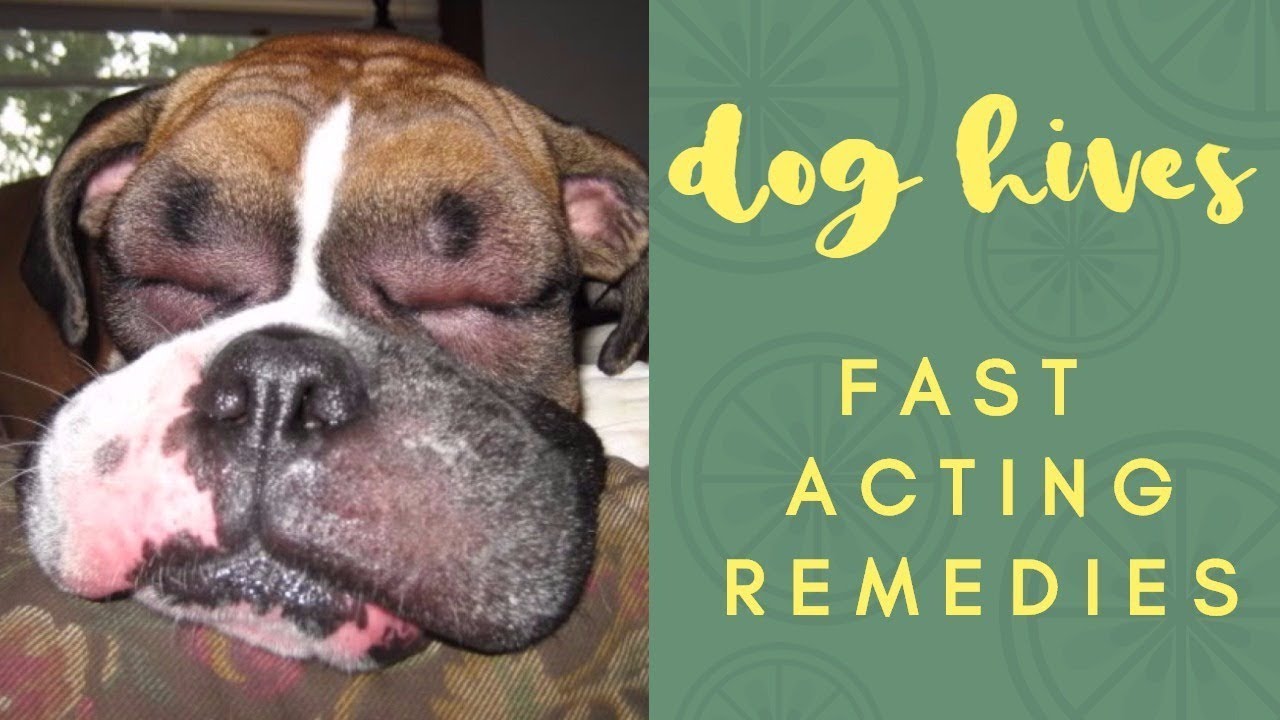
If you're a dog owner, you know how much your furry friend's well-being means to you. Dogs, like humans, can experience various health issues, and one of them is dog hives. These irritating skin reactions can make your pup uncomfortable and itchy. In this article, we'll dive into what dog hives are, what causes them, and how you can help your four-legged companion find relief.
Table of Contents:
1 What Are Dog Hives?
2 Common Causes
3 Recognizing the Symptoms
4 It's Not Just Hives: Allergic Reactions
5 Seeking Veterinary Care
6 Home Comforts: Easing Discomfort
7 Prevention: Can You Avoid Dog Hives?
8 Analogy: Dog Hives and Human Allergies
9 Conclusion
10 FAQs about Dog Hives
1. What Are Dog Hives?
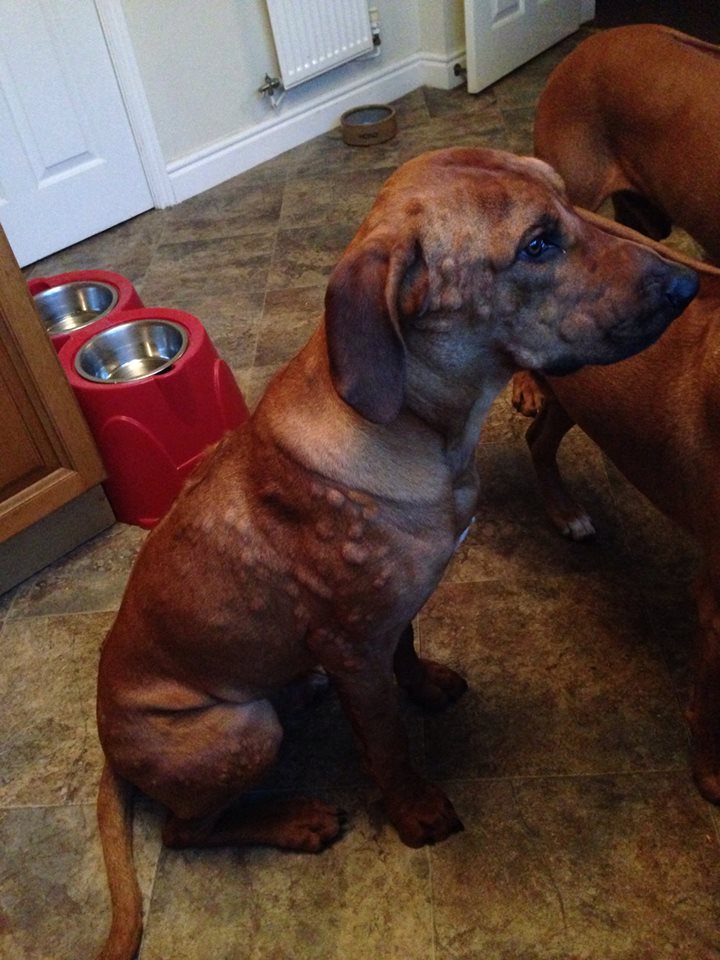
Imagine your dog suddenly develops raised, itchy welts on their skin that resemble mosquito bites. These are dog hives, also known as urticaria. Just like when we humans get hives, they can be uncomfortable and irritating for our canine companions too.
Introduction to Dog Hives: Unraveling the Buzzing Mystery
Have you ever noticed your furry friend scratching more than usual, or seen peculiar bumps appearing on their skin? Dogs, our beloved companions, are susceptible to a range of skin conditions, and one such condition that might catch your attention is Dog Hives. In this article, we'll delve into the intriguing world of dog hives, exploring what they are, what causes them, and how you can help your furry friend feel better.
Unveiling Dog Hives: What are They?
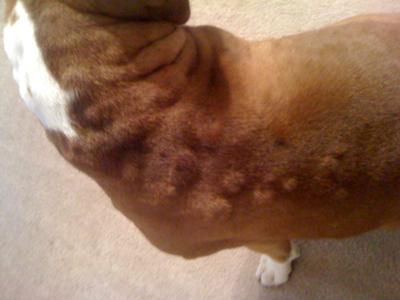
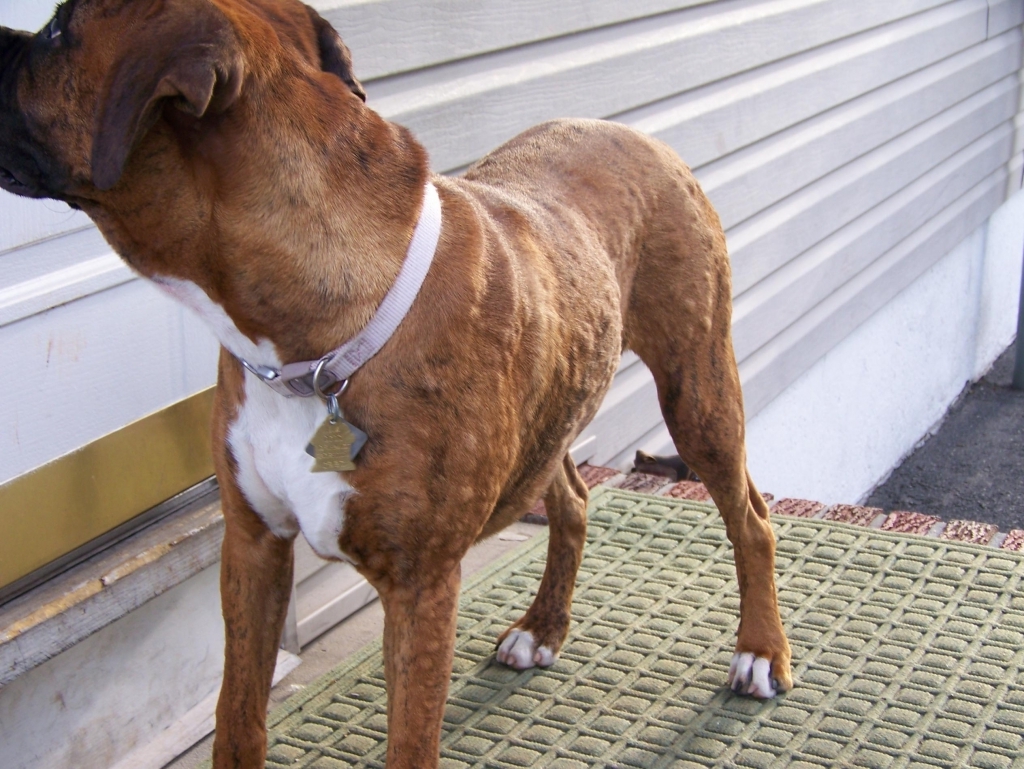
Imagine your dog's skin as a canvas, and then imagine small, raised, red or white bumps suddenly appearing on that canvas. These bumps are dog hives, also known as urticaria or welts. They might look similar to what humans experience as an allergic reaction. Just as we can break out in hives when our body reacts to something, dogs can too.
What Triggers Dog Hives?
Dog hives are often a result of an allergic reaction. But what could your pup be allergic to? It could be anything from certain foods, insect stings, medications, plants, or even environmental factors like pollen or dust mites. Sometimes, it might be a new detergent you used to wash their bedding. These hives might appear suddenly and catch you off guard, but they are your dog's way of saying something isn't right.
The Itchy Truth: Symptoms and Signs
You might wonder, how can you tell if your dog is experiencing hives? Well, your canine friend might give you some clues. Keep an eye out for these telltale signs:
1. Scratching and Itching: If your dog is scratching excessively or rubbing against surfaces, those hives might be causing discomfort.
2. Swelling: Is your pup's face, lips, or eyelids swelling? This could be a clear indicator of hives.
3. Red Bumps: Raised, red bumps on their skin are the hallmark of hives. These might vary in size and shape.
4. Restlessness: Dogs in distress often exhibit restlessness or an inability to stay calm.
5. Rapid Onset: Hives can appear suddenly and spread rapidly, making them more noticeable.
Battling the Buzz: How to Handle Dog Hives
Seeing your furry friend uncomfortable can be heart-wrenching. The good news is, there are steps you can take to alleviate their discomfort:
1. Identify the Trigger: If possible, try to identify what might have caused the hives. This could help prevent future occurrences.
2. Consult the Vet: If the hives are severe, persistent, or accompanied by other symptoms like difficulty breathing, consult a veterinarian immediately.
3. Medication: Your vet might prescribe antihistamines or other medications to relieve the itching and swelling.
4. Oatmeal Baths: Oatmeal baths can soothe your dog's irritated skin. Use pet-friendly oatmeal products available in stores.
5. Preventive Measures: Once the trigger is known, take preventive measures to avoid future allergic reactions.
FAQs About Dog Hives
1. Can Stress Cause Dog Hives?
Yes, stress can sometimes contribute to the development of hives in dogs, just like in humans.
2. Are Hives Dangerous for Dogs?
In most cases, hives are not life-threatening. However, severe reactions might require immediate medical attention.
3. Can I Use Human Medications for Dog Hives?
No, it's crucial to use medications prescribed by a vet. Some human medications can be harmful to dogs.
4. How Long Do Dog Hives Last?
Hives can last for a few hours to a couple of days. If they persist, consult a vet.
5. Can Dog Hives be Prevented?
While you can't prevent all cases, knowing your dog's allergies and avoiding triggers can minimize the risk.
Conclusion: Providing Comfort to Our Canine Companions
Just like us, dogs can experience skin discomfort, and hives are one of the ways their body reacts to allergens. Being attentive to your dog's behavior, consulting a vet when needed, and taking preventive measures can go a long way in ensuring their well-being. Remember, our furry friends rely on us to decipher their signals and provide the care they deserve. So, let's continue to be their advocates and companions on this journey of health and happiness.
2. Common Causes
Dog hives are usually triggered by allergic reactions. Your dog might have encountered something in their environment that their immune system reacts to. Common triggers include insect bites, certain foods, medications, plants, and environmental allergens like pollen or dust.
Common Causes: What Triggers Dog Hives?
Dog hives, those pesky red or white bumps that can appear on your furry friend's skin, are often the result of an allergic reaction. But what exactly triggers these hives? Let's explore some common culprits that might be causing your dog's skin to flare up:
1. Food Allergies
Just like humans, dogs can also be allergic to certain foods. Proteins such as beef, chicken, dairy, and grains are often the offenders. When your dog's immune system reacts to these allergens, it can lead to the formation of hives.
2. Insect Bites and Stings
Those buzzing insects in your garden might be more than just a nuisance – they can also trigger hives in your dog. Bee stings, ant bites, or even spider bites can cause an allergic reaction, resulting in itchy and swollen skin.
3. Medications
Some dogs can have adverse reactions to certain medications, leading to the appearance of hives. If you've recently started your dog on a new medication and notice hives developing, it's essential to consult your vet.
4. Environmental Factors
Just like us, dogs can be sensitive to their environment. Pollen, mold, dust mites, and even certain cleaning products can spark an allergic reaction, causing those telltale hives to show up.
5. Contact Allergies
Your dog's skin can also react to direct contact with certain materials. This could be anything from a new collar, bedding, or even a shampoo you recently used during their bath.
6. Stress and Anxiety
Believe it or not, stress and anxiety can also play a role in the development of hives. Just like how stress can manifest physically in humans, it can trigger an immune response in dogs, leading to skin issues.
7. Plant Allergens
Certain plants and trees release pollen that can trigger allergies in dogs. Keep an eye out for any changes in your dog's skin after spending time outdoors.
8. Vaccinations
While vaccinations are crucial for your dog's health, some dogs might experience hives as a mild reaction to certain vaccines. This usually subsides on its own, but if you're concerned, consult your vet.
9. Grooming Products
The products you use to keep your dog clean and looking their best might contain ingredients that don't agree with their skin. Always opt for pet-friendly grooming products to avoid potential hives.
10. Genetics
Sometimes, a dog's susceptibility to hives can be linked to their genetics. If hives seem to run in the family, it's essential to be extra vigilant and take preventive measures.
Understanding the common causes of dog hives is the first step in keeping your furry friend comfortable and itch-free. If you notice any unusual bumps or changes in your dog's behavior, don't hesitate to consult a veterinarian to determine the cause and appropriate treatment.
3. Recognizing the Symptoms
How can you tell if your dog has hives? Keep an eye out for:
- Raised bumps on the skin
- Itchiness and scratching
- Redness and swelling
- Restlessness or discomfort
Recognizing the Symptoms: Is Your Dog Dealing with Hives?
As a devoted dog owner, it's crucial to be able to recognize the signs that your furry friend might be dealing with hives. These raised, often itchy bumps can make your dog uncomfortable, and knowing how to identify them can help you take swift action. Let's dive into the symptoms of dog hives:
1. Scratching and Itching:
If you find your dog scratching more than usual, or notice them constantly rubbing against surfaces, it could be a sign that they're experiencing the discomfort of hives. Their skin might be itchy and irritated.
2. Swelling:
Hives can cause localized swelling, especially around the face, lips, eyelids, and even the ears. If you observe any unusual puffiness, it might be indicative of hives.
3. Red Bumps:
The hallmark of hives is the appearance of raised, red or white bumps on your dog's skin. These bumps might vary in size and can be scattered across their body.
4. Restlessness:
Unexplained restlessness or an inability to settle down can be a signal that something is bothering your dog. Discomfort caused by hives might make them fidgety and anxious.
5. Rapid Onset:
Unlike some other skin conditions that develop slowly, hives often have a rapid onset. You might notice the bumps appearing suddenly and spreading quickly across your dog's skin.
6. Change in Behavior:
Pay attention to any changes in your dog's behavior. If they seem more irritable or are constantly trying to reach and scratch a specific area, it's worth investigating for hives.
7. Hive Clusters:
Hives can sometimes cluster together, creating larger patches of irritated skin. These clusters can be especially uncomfortable for your dog.
8. Lethargy:
In some cases, dogs with hives might exhibit signs of lethargy. If your normally active pup seems unusually tired, it could be related to their skin discomfort.
9. Difficulty Breathing:
While rare, severe allergic reactions can lead to difficulty breathing. If your dog is panting heavily, wheezing, or showing signs of respiratory distress along with hives, seek emergency veterinary care.
10. Anxiety and Agitation:
The discomfort caused by hives can lead to heightened anxiety and agitation. If your dog is pacing, whining, or seems unusually restless, it might be a response to their skin irritation.
Being attuned to these symptoms can help you provide the care and attention your dog needs. If you suspect your dog has hives, it's advisable to consult a veterinarian for proper diagnosis and guidance on how to manage their discomfort. Your furry companion's well-being is in your hands, and by recognizing the signs of hives, you're taking an important step towards ensuring their comfort and health.
4. It's Not Just Hives: Allergic Reactions
Dog hives are often a sign of an allergic reaction. While hives themselves can be bothersome, they might also be accompanied by other symptoms like vomiting, diarrhea, or difficulty breathing. These signs indicate a more serious allergic reaction that requires immediate attention.
It's Not Just Hives: Understanding Allergic Reactions in Dogs
When it comes to our furry companions, allergies aren't just a human woe. Dogs can also experience allergic reactions that go beyond the realm of hives. Understanding these reactions is essential for every dog owner. Let's explore the different types of allergic reactions that dogs can encounter:
1. Contact Allergies:
Similar to humans, dogs can also develop contact allergies when their skin comes into contact with certain materials. This could be anything from fabrics, cleaning products, plants, or grooming products. The result? Itchy, irritated skin that might lead to scratching and discomfort.
2. Food Allergies:
While dogs might be known for their love of food, sometimes certain foods don't reciprocate that affection. Just like us, dogs can have food allergies too. Proteins like beef, chicken, dairy, and grains are common culprits. Food allergies can lead to skin issues, gastrointestinal problems, and even ear infections.
3. Inhalant Allergies:
Dogs can inhale allergens just like we do. Pollen, mold spores, dust mites, and other particles can trigger allergic reactions in your furry friend. Itchy skin, sneezing, watery eyes, and even respiratory issues might result from these inhalant allergens.
4. Flea Allergy Dermatitis:
Fleas are more than just tiny pests – they can also cause a specific allergic reaction known as flea allergy dermatitis. Some dogs are hypersensitive to flea saliva, and even a single flea bite can lead to intense itching, redness, and irritation.
5. Atopic Dermatitis:
Also referred to as atopy, this allergic skin condition is often genetic. Dogs with atopic dermatitis can react to various environmental allergens, such as pollen, dust, and mold. The result is chronic itching, redness, and secondary infections due to excessive scratching.
6. Drug Allergies:
Just like humans, dogs can also have adverse reactions to medications. If your dog develops hives, swelling, or other unusual symptoms after taking a new medication, it might be a drug allergy. Always consult your vet before administering any medications to your dog.
7. Vaccine Reactions:
Vaccinations are crucial for your dog's health, but some dogs might experience allergic reactions to certain vaccine components. While severe reactions are rare, it's essential to monitor your dog for any adverse effects after vaccinations.
8. Insect Bite Allergies:
Insect bites and stings can cause more than just immediate discomfort. Some dogs are allergic to insect venom, leading to an exaggerated reaction. This might result in swelling, hives, or even anaphylaxis in severe cases.
9. Environmental Allergies:
Just like us, dogs can be affected by changes in the environment. Weather changes, humidity levels, and exposure to different allergens can trigger allergic reactions, causing discomfort and skin issues.
10. Skin Infections from Allergies:
Constant itching and scratching due to allergies can damage your dog's skin barrier, making them more susceptible to secondary skin infections. These infections can worsen the itching and discomfort.
Understanding the diverse range of allergic reactions that dogs can experience is vital for providing them with the best care. If you suspect your dog might be suffering from allergies, it's advisable to consult a veterinarian. With proper diagnosis and management, you can ensure your furry friend leads a comfortable, itch-free life.
5. Seeking Veterinary Care
If your dog is experiencing hives, especially if they're showing severe symptoms, it's crucial to consult a veterinarian. A professional can accurately diagnose the cause of the hives and recommend the appropriate treatment plan.
Seeking Veterinary Care: Ensuring Your Dog's Well-being
Our beloved canine companions bring immense joy to our lives, and their health and well-being are of utmost importance. When it comes to dealing with allergic reactions and skin issues, seeking veterinary care is a crucial step in ensuring your dog's comfort and recovery. Let's explore why and when you should consider consulting a veterinarian:
1. Accurate Diagnosis:
While you might be able to identify some symptoms, a veterinarian can provide an accurate diagnosis. Allergic reactions can have various underlying causes, and a professional assessment can help pinpoint the specific allergen or trigger.
2. Tailored Treatment:
Veterinarians are equipped to develop a treatment plan tailored to your dog's individual needs. Depending on the severity of the allergic reaction, they can prescribe medications, recommend specific shampoos, or suggest dietary changes to alleviate symptoms.
3. Preventive Measures:
Veterinarians can guide you on how to prevent future allergic reactions. They can provide advice on avoiding known allergens, selecting suitable grooming products, and making dietary adjustments to minimize the risk of allergic flare-ups.
4. Monitoring for Complications:
In some cases, allergic reactions can lead to complications such as skin infections or respiratory distress. Veterinarians can closely monitor your dog's condition and intervene if any complications arise.
5. Prescription Medications:
For severe cases of allergic reactions, prescription medications might be necessary. Veterinarians can prescribe antihistamines, steroids, or other medications to relieve itching, swelling, and discomfort.
6. Allergy Testing:
If your dog's allergies are persistent or recurrent, your veterinarian might recommend allergy testing. This can help identify specific allergens and guide targeted management strategies.
7. Anaphylactic Reactions:
In rare cases, dogs can experience anaphylactic shock in response to severe allergic reactions. This life-threatening condition requires immediate medical intervention, making a prompt visit to the vet critical.
8. Monitoring Progress:
Veterinarians can track your dog's progress over time. Regular check-ups allow them to assess the effectiveness of the treatment plan and make necessary adjustments.
9. Professional Advice:
Veterinarians offer professional insights and guidance on managing your dog's allergies. They can answer your questions, address your concerns, and provide valuable recommendations for your dog's well-being.
10. Peace of Mind:
Above all, seeking veterinary care provides you with peace of mind. Knowing that you're doing everything you can to ensure your dog's comfort and health fosters a strong bond of trust between you and your furry companion.
Remember, your dog's health is a collaborative effort between you and your veterinarian. If you suspect your dog is experiencing an allergic reaction or skin issue, don't hesitate to schedule a veterinary appointment. By seeking timely care, you're taking proactive steps to provide your dog with the best quality of life possible.
6. Home Comforts: Easing Discomfort
While you wait for your vet appointment, there are a few things you can do to provide relief for your pup:
- Cool Compress: Gently apply a cool, damp cloth to the affected areas to soothe itching.
- Bathing: A gentle bath with oatmeal-based shampoo can help ease irritation.
- Avoid Triggers: If you suspect a certain food or substance is causing the hives, remove it from your dog's environment.
7. Prevention: Can You Avoid Dog Hives?
Preventing hives is not always easy, but some steps might reduce the risk:
- Allergen Avoidance: If you know your dog is allergic to certain plants or substances, try to keep them away from these triggers.
- Quality Diet: Feed your dog a balanced and high-quality diet to support their immune system.
- Regular Grooming: Keeping your dog's coat clean and well-groomed can help prevent skin issues.
8. Analogy: Dog Hives and Human Allergies
Think of dog hives like how some humans react to certain allergens. Just as we might sneeze or develop skin rashes when exposed to allergens, dogs can get hives when their immune systems react to triggers in their environment.
9. Conclusion
Your dog's comfort and health are of utmost importance. Dog hives might be uncomfortable, but with proper care and attention, they can be managed. Remember, if you notice severe symptoms, it's best to consult a veterinarian for guidance.
10. FAQs about Dog Hives
Q1: What causes dog hives?
A1: Dog hives are primarily caused by allergic reactions to various triggers like insect bites, foods, medications, plants, and environmental allergens.
Q2: Can I treat dog hives at home?
A2: Mild cases can often be managed at home by providing comfort measures like cool compresses and oatmeal baths. However, severe cases require veterinary care.
Q3: Are dog hives a sign of a serious health issue?
A3: While hives themselves might not always indicate a serious issue, severe allergic reactions can be life-threatening. It's important to monitor your dog closely.
Q4: Can I give my dog human antihistamines for hives?
A4: No, you should never give your dog human medications without consulting a vet. Some human medications can be harmful to dogs.
Q5: Can dog hives be prevented?
A5: While prevention is challenging, avoiding known allergens and maintaining a healthy diet and grooming routine can reduce the risk of dog hives.
In conclusion, dog hives can be uncomfortable for your furry friend, but understanding the causes, symptoms, and treatments can help you provide the best care possible. Keep a close watch on your dog's health, and don't hesitate to seek professional guidance if needed.
What are dog hives. Home remedies for dog hives include the use of oat apple cider vinegar and green tea bags.
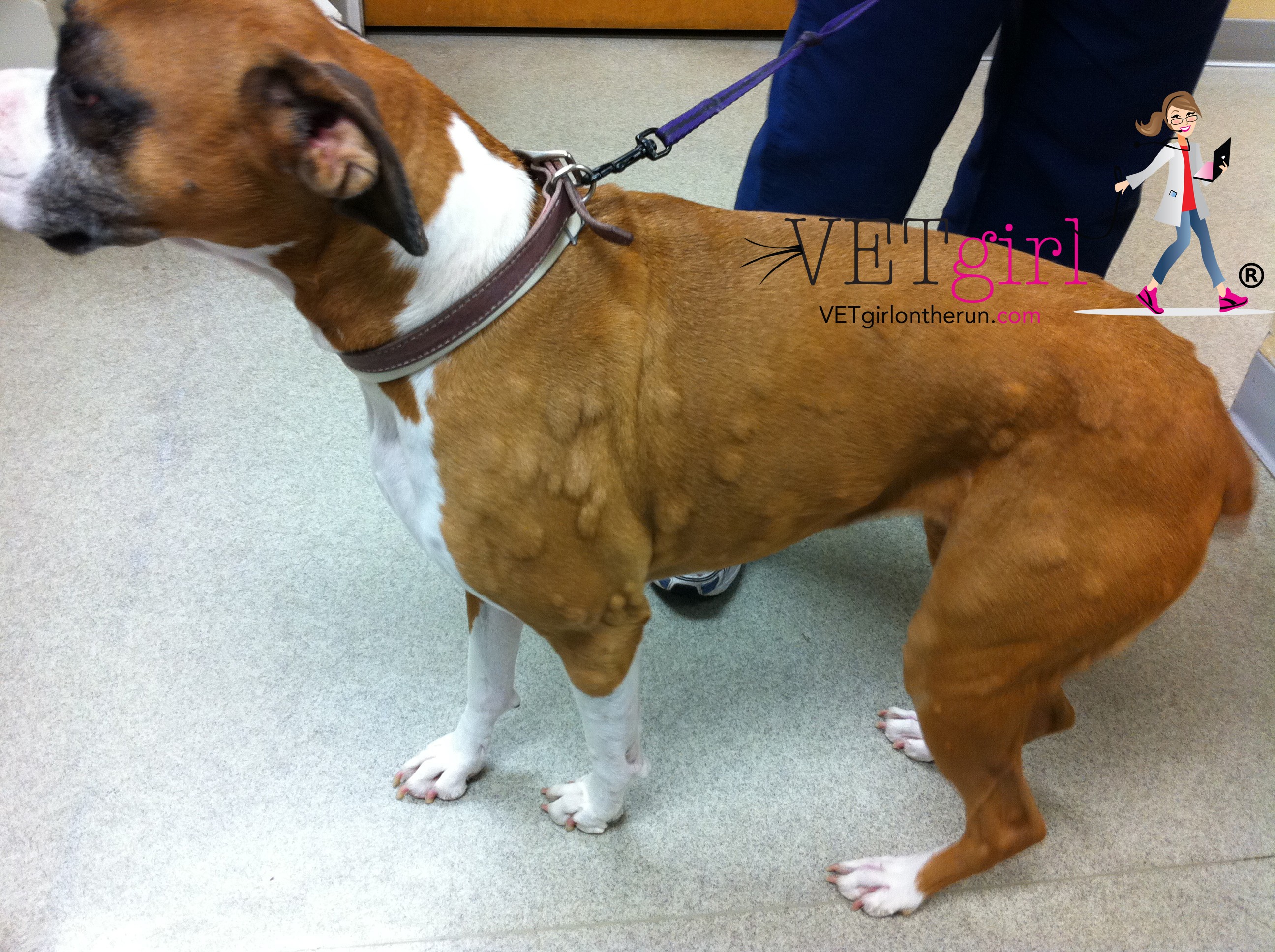 How To Treat The Allergic Reaction In Dogs Vetgirl Veterinary Ce Blog
Symptoms of dog hives may include
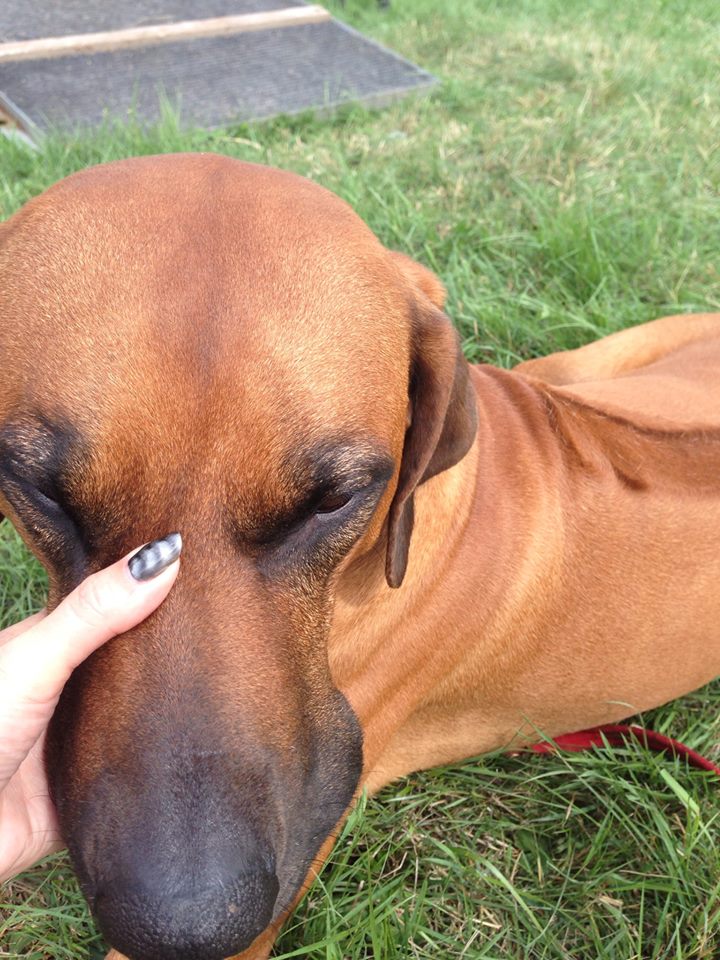
Dog hives
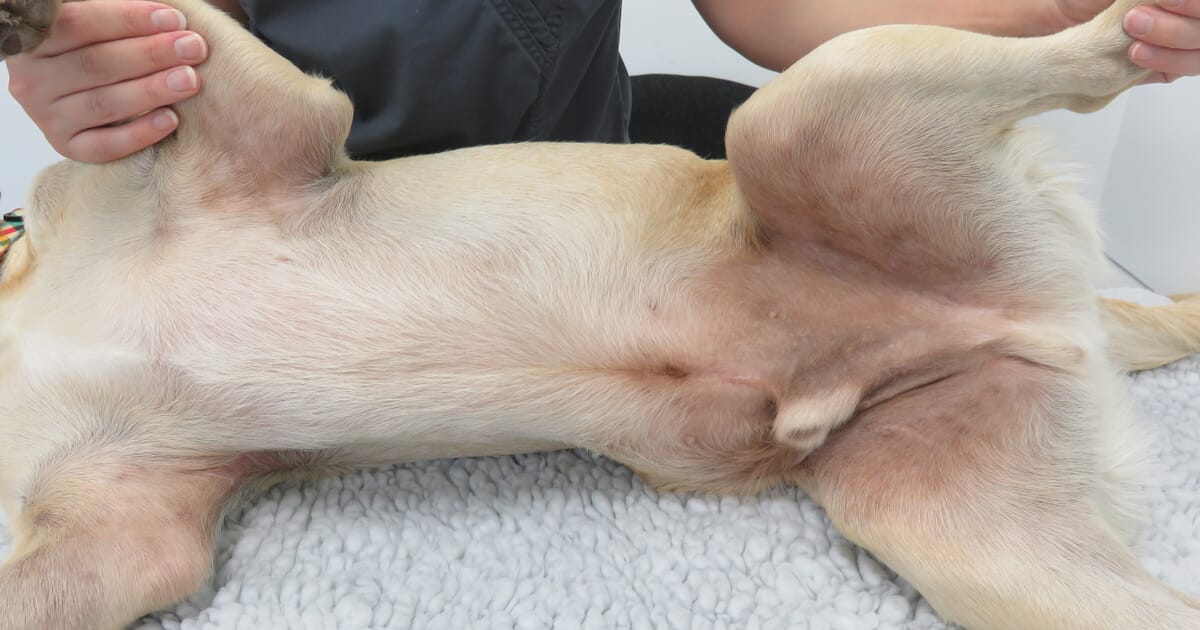
If you notice red spots on your dogs belly this is most likely due to atopic dermatitis and can or cannot be caused by an allergic reaction. Hives urticaria and a swollen face angioedema are commonly the result of an allergic reaction in dogs. The reaction will typically show up within 24 hours of the vaccination and you will need to take you furry friend back to the vet for further examination.
Urticaria or hives is a skin condition that is generally characterized by red welts anywhere on the body including the face mouth eyes legs throat and ears. Similar to humans when a dog is exposed to one a particular allergen the immune system reacts or in most cases overreacts and causes a hypersensitive state hives in dogs are usually not life threatening but it is important to seek veterinarian care as soon as. Redness and swelling on face and or other parts of the body.
Dermatitis and hives are however different. Avoidance is the best way to prevent hives in dogs. Prevention of hives in dogs.
Dermatitis in dogs refers to the inflammation of the skin and is often confused with canine hives. The problem for many pet owners is that hives on dogs are extremely irritating for your pet and he will stop at nothing to try and bite and scratch those small red bumps. One of the main causes of hives on dogs is an allergic reaction to a recent vaccination or medication.
If you know that your dog is allergic to certain substances such as certain food items medicines or vaccines such items should be avoided at all costs. Dog hives are a severe allergic reaction that usually appears on your dogs skin within thirty minutes and if left to heal on its own can disappear in about twenty four hours. Hives however nearly always occurs as a result of an allergic reaction.
The Best Natural Dog Hives Remedies Home Remedy Guide
 Dogs With Hives Tips For Treating Hives In Dogs All About Dogs
Hives On Dogs Identifying The Causes Canna Pet
 So I Gave My Dog Two Biscuits From Petco Last Night Wtf
Hives Urticaria In Animals Integumentary System Merck Veterinary Manual
 How To Treat Hives On A Dog Rrruffhouse Dog Training Belleville Ontario
 My Boston Terrier Just Broke Out In Hives Is It An Emergency What Can I Do At Home Maggielovesorbit Com
 Hives On Dogs Body Goldenacresdogs Com
 Allergic Reactions Hives And Swelling Of The Face In Dogs And Cats Petcoach
/french-bulldog-dog-with-swollen-face-and-red-puffy-eyes-after-suffering-an-allergic-reaction-1142155126-7ba1543fcd8e45ef833a94b2cfb34cb2.jpg) What To Do If Your Dog S Face Is Swollen
What To Do If Your Dog S Face Is Swollen
 Dog Hives Treatment
 My Dog Has Hives Hives In Dogs Symptoms Causes And Home Remedies
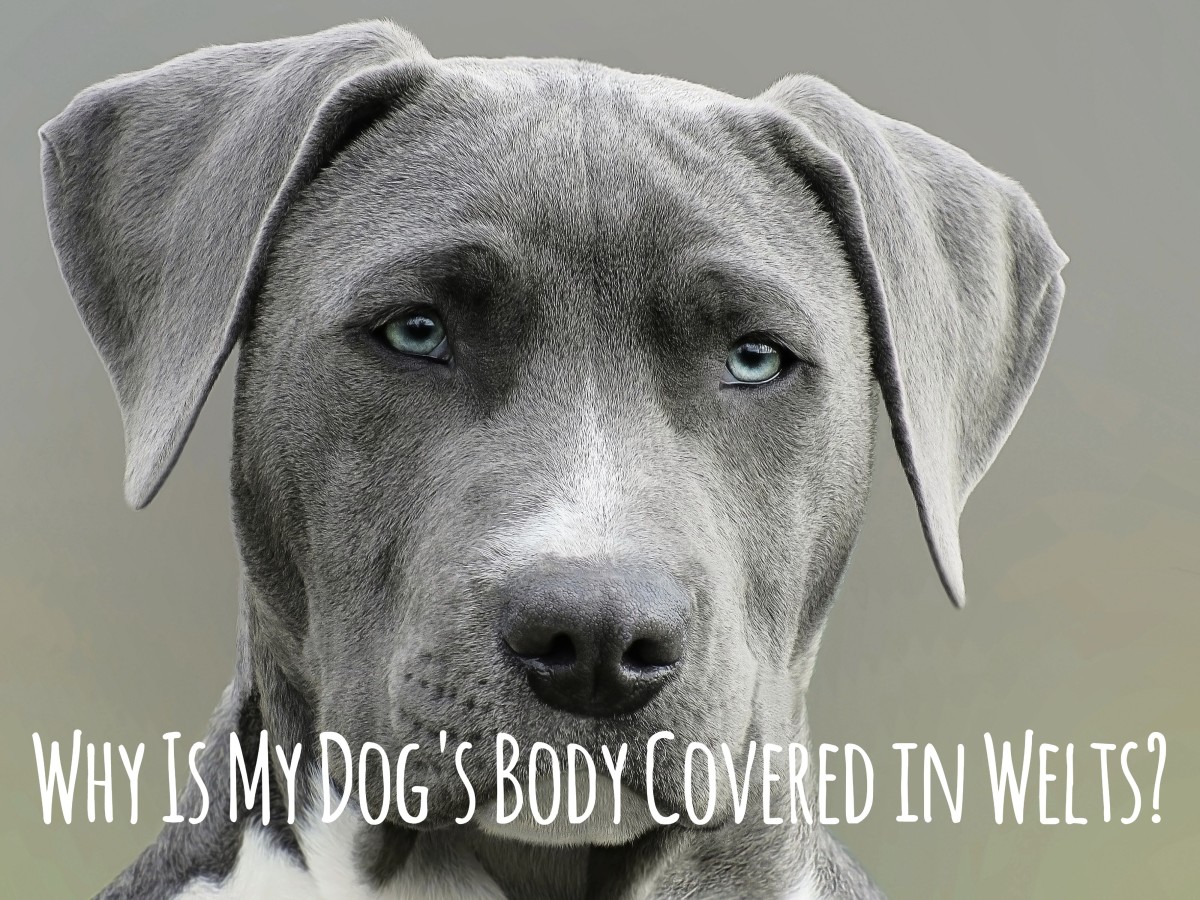 Why Is My Dog S Body Covered In Bumps Or Welts Pethelpful
 Pin On Animals
Hives Also Known As Urticaria This Rose Bay Veterinary Hospital Facebook
 My Dog Has Allergies Now What
 My Boston Terrier Just Broke Out In Hives Is It An Emergency What Can I Do At Home Maggielovesorbit Com
Mosquito Risk And Your Pet Van Wijk Street Vet
 Improving Management With Immunotherapy Veterinary Practice
 Allergic Reactions Hives Rhodes 2 Safety

 Why Is My Dog Developing Hives
Hives In Dogs Causes Symptoms And Treatment Options Laurelwood Animal Hospital
 Allergic Reactions Hives Rhodes 2 Safety
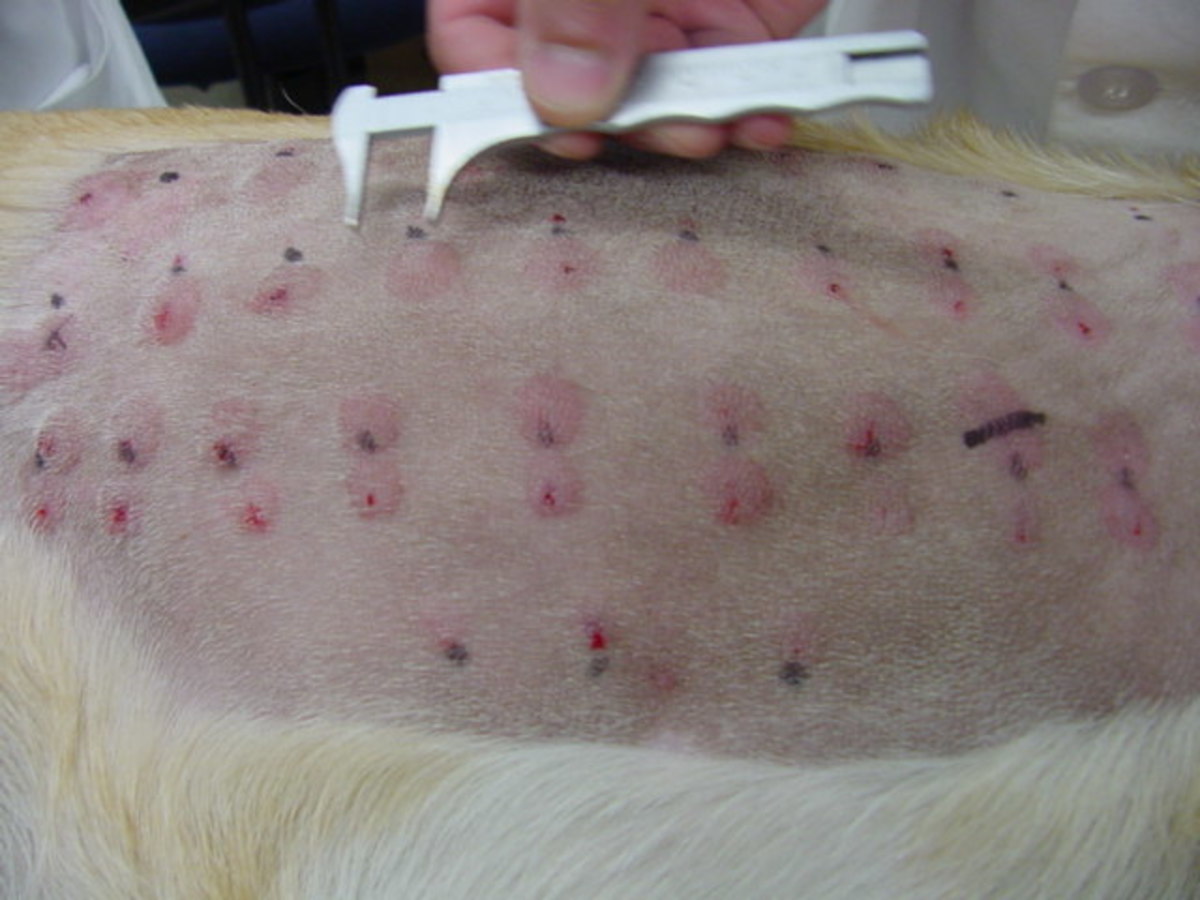 Why Is My Dog S Body Covered In Bumps Or Welts Pethelpful
The Best Natural Dog Hives Remedies Home Remedy Guide
 Dog Hives Pitbull Goldenacresdogs Com
 Canine Hives
 7 Common Dog Skin Problems And How To Cure Them Caninejournal Com


