Understanding Dog Mites: Causes, Symptoms, and Treatment
Understanding Dog Mites: Causes, Symptoms, and Treatment
Table of Contents:
- Introduction
- What Are Dog Mites?
- Types of Dog Mites
- Signs and Symptoms
- Diagnosis and Treatment
- Preventing Dog Mites
- Frequently Asked Questions (FAQs)
- Conclusion
1. Introduction
When it comes to our furry companions, ensuring their health and well-being is paramount. One common concern for dog owners is the presence of mites. In this comprehensive guide, we will delve into the world of dog mites, explaining what they are, the types that exist, how to identify their presence, and steps for prevention. Let's begin.
2. What Are Dog Mites?
Dog mites, also known as canine mites, are tiny arthropods that belong to the arachnid family. These microscopic creatures can infest your dog's skin, ears, and fur, leading to various health issues. They are parasites that feed on your dog's blood, skin, or earwax, causing discomfort and irritation.
Dog mites are microscopic parasitic organisms that belong to the arachnid family and can infest a dog's skin, ears, or coat. These tiny pests can cause a range of skin problems and discomfort in dogs, including itching, hair loss, redness, inflammation, and skin infections. There are different types of mites that can affect dogs, such as sarcoptic mites (scabies), demodectic mites (demodex), ear mites (otodectes cynotis), and cheyletiella mites (walking dandruff). Dog mites can be transmitted through direct contact with infested animals or through infested environments.
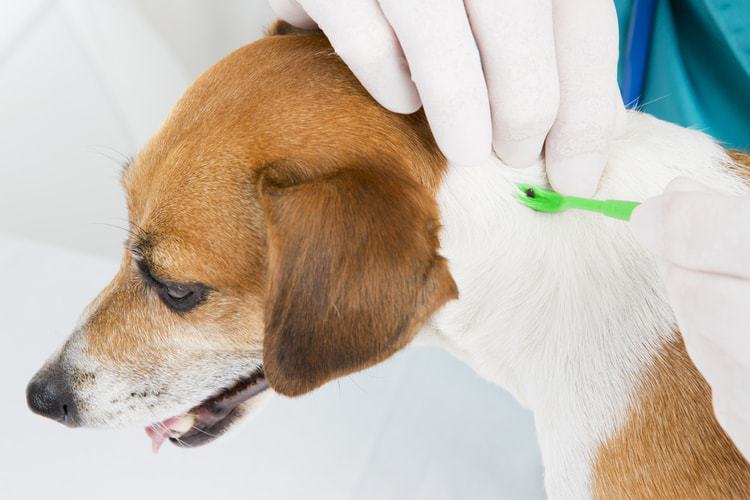
It is important to identify and treat mite infestations promptly to relieve symptoms and prevent further complications. Veterinary diagnosis and appropriate medications are typically required to eliminate mites and manage the associated skin issues. Regular grooming, maintaining a clean living environment, and supporting a dog's immune system through proper nutrition can help prevent dog mite infestations.
Dog mites are microscopic parasites that can infest a dog's skin and coat, leading to various skin issues and discomfort. These tiny organisms belong to the arachnid family and can cause itching, hair loss, and skin infections if left untreated. In this article, we will explore the different types of mites that can affect dogs, their causes, symptoms, and effective treatment options. Understanding dog mites is crucial for dog owners to ensure the well-being and health of their beloved pets.
3. Types of Dog Mites
- Intense Itching: One of the most noticeable signs is intense and relentless itching. Infected dogs will scratch, bite, and rub their skin excessively in an attempt to alleviate the discomfort caused by the mites burrowing into their skin.
- Hair Loss: As the infestation progresses, you may notice areas of hair loss on your dog's skin. These bald patches are often accompanied by redness and inflammation.
- Skin Inflammation: The burrowing activity of the mites leads to irritation and inflammation of the skin. This can result in red, scaly, and crusty skin, which can be quite painful for the dog.
- Secondary Infections: Constant scratching and open sores from the mite infestation can make your dog vulnerable to secondary bacterial infections. This can exacerbate the overall health of your pet.
- Prescription Medications: Your vet will prescribe medications to kill the mites and alleviate your dog's symptoms. This may include topical creams, oral medications, or injections.
- Isolation: Infected dogs should be isolated from other pets to prevent the spread of mites.
- Environmental Cleaning: Cleaning your dog's living area, including bedding and toys, is crucial to eliminate any lingering mites.
- Regular Check-Ups: Follow-up appointments with your veterinarian are essential to monitor your dog's progress and ensure the mites are eradicated.

- Localized Demodectic Mange: This type usually occurs in puppies and young dogs. It's characterized by small, isolated bald patches on the skin, often around the eyes and mouth. In many cases, localized demodectic mange resolves on its own as the dog's immune system matures.
- Generalized Demodectic Mange: This form is more severe and affects larger areas of the dog's body. It can lead to widespread hair loss, skin redness, and sometimes secondary bacterial infections. Generalized demodectic mange typically requires veterinary intervention.
- Hair Loss: The most noticeable sign is hair loss, which can occur in localized or generalized patterns.
- Redness and Irritation: The affected skin may appear red, inflamed, and sometimes scaly.
- Secondary Infections: Dogs with generalized demodectic mange are at risk of developing secondary bacterial infections due to their weakened skin barrier.
- Diagnosis and Treatment
- Diagnosing demodectic mange involves a visit to the veterinarian. They will typically perform a skin scraping to collect samples from affected areas. These samples are then examined under a microscope to confirm the presence of Demodex mites.
- Medications: Your veterinarian may prescribe topical treatments, such as medicated shampoos or ointments, to kill the mites and manage skin inflammation.
- Oral Medications: In cases of generalized demodectic mange, oral medications such as ivermectin or milbemycin oxime may be prescribed to control the mite population.
- Secondary Infection Treatment: If your dog has developed a secondary bacterial infection, antibiotics may be necessary.
- Immune Support: Strengthening your dog's immune system through proper nutrition and overall care is crucial in managing demodectic mange.
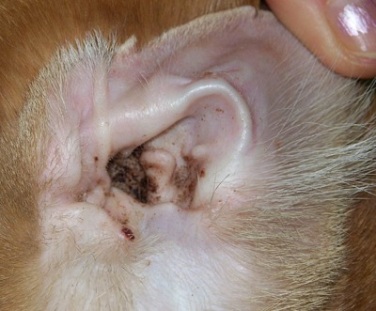
- Excessive Scratching: Dogs with ear mites will often scratch their ears intensely, sometimes leading to self-inflicted wounds.
- Head Shaking: Frequent head shaking is another telltale sign. Dogs may try to dislodge the mites from their ears by vigorously shaking their heads.
- Ear Odor: An unpleasant odor emanating from your dog's ears may indicate an ear mite infestation.
- Ear Discharge: You may notice dark, crusty discharge in your dog's ear canal. This discharge can resemble coffee grounds and is a mixture of mites, wax, and debris.
- Redness and Inflammation: The presence of ear mites can lead to redness and inflammation in the ears, causing discomfort.
- Medication: Your vet may prescribe ear drops or topical medications to eliminate the mites. These medications often contain parasiticides to kill the mites.
- Ear Cleaning: Cleaning your dog's ears may be necessary to remove debris and discharge. Your vet will provide guidance on how to do this safely.
- Treatment for Secondary Infections: If your dog has developed secondary bacterial infections due to the mite infestation, antibiotics may be prescribed.
- Environmental Control: Cleaning your dog's living environment, such as bedding and play areas, is crucial to prevent reinfestation.
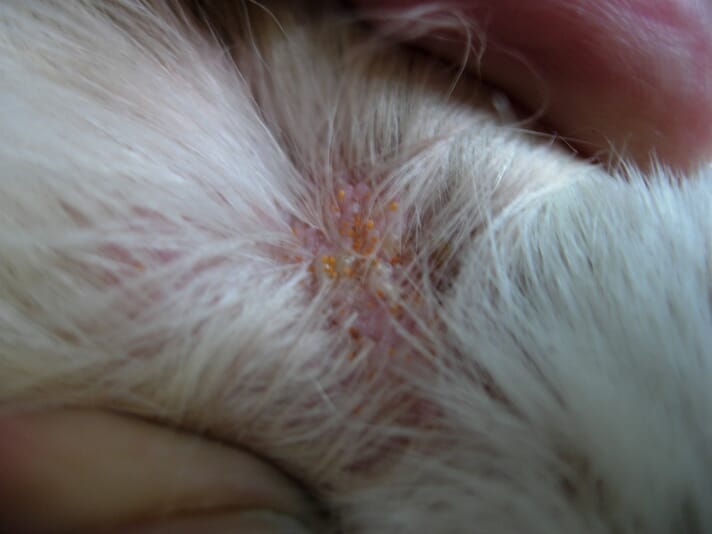
d. Cheyletiella Mites (Walking Dandruff)
- Direct Contact: Contact with an infested animal, such as through grooming, playing, or snuggling, can transmit the mites.
- Contaminated Environment: Mites can survive in the environment for a short period, so contact with surfaces, bedding, or grooming tools used by an infested animal can also lead to infestation.
- Itching: Affected dogs may experience itching and skin irritation, which can lead to scratching and discomfort.
- Dandruff-Like Flakes: The most characteristic symptom is the presence of small, white flakes that appear to move on the dog's skin and fur.
- Hair Loss: In severe cases, infestations can lead to hair loss in localized areas.
- Medications: Your vet may prescribe topical treatments, such as medicated shampoos or spot-on treatments, to eliminate the mites.
- Oral Medications: In severe cases, oral medications may be necessary to control the infestation.
- Environmental Cleaning: Cleaning your dog's living environment, including bedding and grooming tools, is essential to prevent reinfestation.
- Regular Grooming: Regular grooming and inspection of your dog's coat can help detect any signs of infestation early.
- Isolation: If you suspect your dog has Cheyletiella mites, isolating them from other pets can prevent the spread of the infestation.
- Environmental Control: Cleaning and disinfecting your dog's living area can help eliminate mites from the environment.
4. Signs and Symptoms
Identifying mite infestations in your dog is crucial for timely intervention. Common signs and symptoms include:
- Excessive itching: Dogs infested with mites will scratch or bite themselves excessively.
- Hair loss: Mites can cause patches of hair loss, especially in demodectic mange.
- Skin redness and inflammation: Inflamed, irritated skin is a common symptom, often seen with sarcoptic mange.
- Ear shaking: If your dog is constantly shaking its head or scratching its ears, it may have ear mites.
5. Diagnosis and Treatment
To properly diagnose and treat mite infestations, consult your veterinarian. They will perform a thorough examination and may use skin scrapings, ear swabs, or blood tests to identify the type of mites affecting your dog.
Treatment options may include:
- Medications: Your vet may prescribe topical creams, oral medications, or ear drops depending on the type of mites.
- Bathing and cleaning: Frequent bathing and cleaning of your dog's bedding can help eliminate mites.
- Environmental control: Ensuring a clean living environment for your dog is essential to prevent reinfestation.
6. Preventing Dog Mites
Prevention is key when it comes to dog mites. Here are some steps to keep your furry friend mite-free:
- Regular grooming: Brush and inspect your dog's fur regularly to catch any signs of mites early.
- Clean bedding: Wash your dog's bedding and toys regularly to prevent mite infestations.
- Ear care: Keep your dog's ears clean and dry to avoid ear mite problems.
7. Frequently Asked Questions (FAQs)
Q1: Can dog mites be transmitted to humans?
A1: Some types of dog mites, such as sarcoptic mites, can infest humans, causing a condition known as scabies. However, these mites usually prefer canine hosts.
Q2: Is it possible to prevent mites entirely?
A2: While it's challenging to prevent mites entirely, regular grooming and maintaining a clean living environment can significantly reduce the risk of infestation.
Q3: Are there natural remedies for treating dog mites?
A3: There are some natural remedies like neem oil and apple cider vinegar that may help alleviate symptoms, but always consult your vet for proper treatment.
8. Conclusion
In conclusion, understanding dog mites is crucial for the well-being of your canine companion. By recognizing the signs, seeking timely veterinary care, and taking preventive measures, you can ensure your dog's comfort and health.
Remember, if you have any concerns about your dog's health, always seek professional advice from a veterinarian.
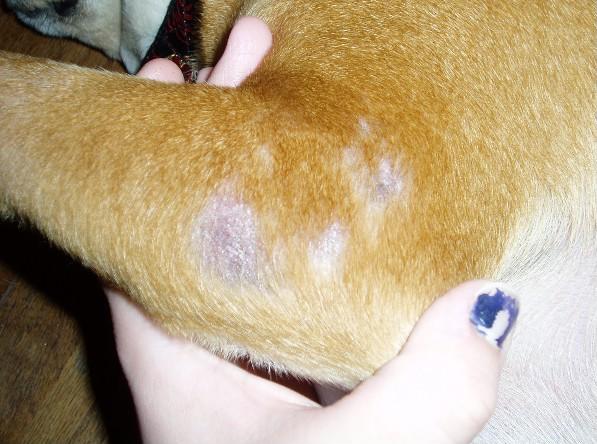
How Do I Know If My Dog Has Mites Pet Life Today
If you suspect that your dog may have mites, there are several signs and symptoms to look out for. Here are some indicators that your dog might have mites:
- Excessive Itching: Mite infestations often cause intense itching in dogs. If you notice your dog scratching, biting, or licking certain areas of their body excessively, especially around the ears, paws, abdomen, or face, it could be a sign of mites.
- Hair Loss: Mites can cause hair loss or thinning in localized areas. Check for bald patches or areas where your dog's coat seems thinner than usual.
- Redness and Irritation: Mite infestations can lead to redness, inflammation, or irritation of the skin. Pay attention to any areas of your dog's skin that appear red, inflamed, or have a rash-like appearance.
- Skin Lesions or Sores: Mites can cause skin lesions, sores, or scabs, particularly if your dog has been scratching or biting at the affected areas.
- Ear Problems: Ear mites, specifically, can cause ear irritation, head shaking, and a buildup of dark, waxy discharge in the ears. If your dog frequently shakes their head or scratches at their ears, ear mites may be the culprit.
- Visible Mites or Eggs: In some cases, you may be able to see the mites or their eggs on your dog's skin or fur. They can appear as tiny white specks or dark spots.
If you notice any of these signs or suspect that your dog has mites, it is important to consult with a veterinarian for a proper diagnosis and appropriate treatment. A veterinarian will be able to perform a thorough examination and may take skin scrapings or ear swabs to confirm the presence of mites. They can then recommend the most suitable treatment options to eliminate the mites and alleviate your dog's discomfort.
Remember, it is always best to seek professional veterinary advice for an accurate diagnosis and treatment plan tailored to your dog's specific needs.
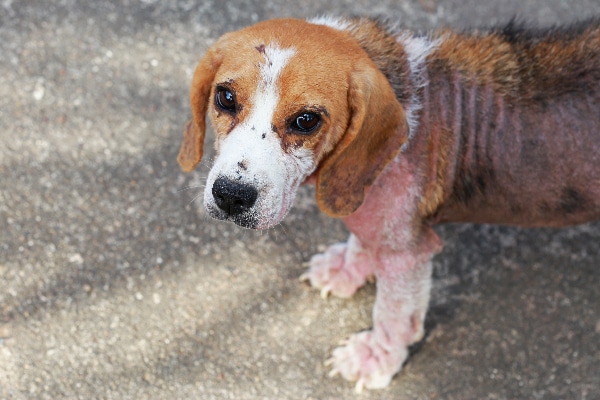
If they're scratching biting or chewing themselves excessively you might suspect they have mites and take a closer look
Dog mites. The ear canal itself becomes congested resulting in hearing loss. Mite infestations are a treatable condition with a variety of solutions. Mites are small parasites that live in and around the skin of a host animal such as a dog cat or human.
Other more serious problems that can result from untreated ear mite infections in dogs include a serious ear disease called otitis externathis condition is an infection of the outer ear that that if untreated can progress to the middle. Jun 14 2018 explore liz dyals board dog mites on Pinterest. Natural dog mite remedies.
After diagnosing a mite infestation a traditional veterinarian will most likely prescribe either a topical treatment like a dip shampoo or cream or a oral medication. You might be able to tell if your dog has mites by carefully studying their skin. Dogs who are suspected to have mites of any type should be taken to a veterinarian immediately for treatment.
Diagnosing mites in dogs. The occurrence of mites in the dogs ear causes several things to happen. Your vet however is the best person to diagnose mites in your dog.
Occasionally these mites can be transmitted between a pet and the owner. The ear becomes red swollen inflamed fill up with fluid or pus forming crusts and start oozing blood. Dog ear mites health risks.
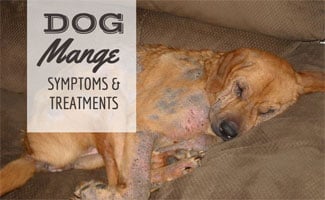
Mange In Dogs Symptoms And Treatment
Mange is a common skin condition in dogs caused by mites. It can result in various symptoms and discomfort for your furry companion. Here is an overview of mange in dogs, including its symptoms and available treatment options:
Types of Mange in Dogs:
- Sarcoptic Mange (Scabies): This highly contagious form of mange is caused by Sarcoptes scabiei mites. It leads to intense itching, hair loss, redness, and skin lesions. Sarcoptic mange can spread to other animals and humans.
- Demodectic Mange (Demodicosis): Demodex mites naturally reside on dogs' skin, but excessive mite populations can cause demodectic mange. It typically affects young dogs or those with weakened immune systems. Symptoms include hair loss, scaly skin, and secondary bacterial infections.
Symptoms of Mange in Dogs:
- Intense itching (pruritus)
- Hair loss (alopecia), especially in patches or localized areas
- Redness, inflammation, or rashes on the skin
- Crusts or scabs on the skin surface
- Skin infections (bacterial or yeast)
- Thickened, wrinkled, or darkened skin
- Secondary complications like sores or abscesses (from scratching)
Treatment of Mange in Dogs:
- Veterinary Examination: A thorough examination by a veterinarian is essential for diagnosing mange and determining the appropriate treatment plan.
- Medications: Treatment typically involves the use of medications to target and eliminate the mites. Depending on the type and severity of mange, your veterinarian may prescribe topical treatments, oral medications, or medicated baths.
- Antiparasitic Treatments: Commonly used antiparasitic medications include selamectin, moxidectin, or ivermectin. These medications help kill the mites and control the infestation. Follow your veterinarian's instructions regarding dosage and administration.
- Symptomatic Relief: Your veterinarian may recommend additional treatments to provide relief from itching, inflammation, and secondary infections. These may include medicated shampoos, soothing ointments, or antibiotics for bacterial infections.
- Environmental Management: It is crucial to clean and disinfect your dog's living environment, including bedding, toys, and grooming tools, to prevent reinfestation.
- Supportive Care: Proper nutrition, regular bathing, and maintaining a clean living space can help boost your dog's immune system and aid in the recovery process.
Remember, mange can be highly contagious, so isolating affected dogs from other pets is necessary to prevent spreading the mites. Follow your veterinarian's instructions closely and complete the entire treatment course, even if symptoms improve.
If you suspect your dog has mange or shows signs of skin issues, seek veterinary care promptly. A veterinarian will provide an accurate diagnosis and develop a tailored treatment plan to address your dog's specific needs, aiming to alleviate symptoms and restore their skin health.
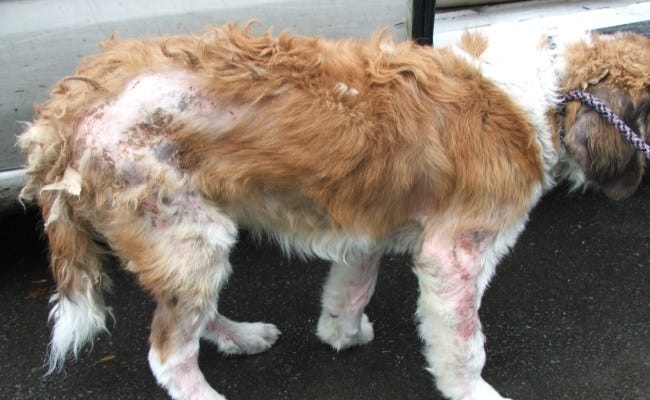 The Struggles Of Caring For Dog With Mange And Resolving The Issue By Pat Bagano Medium
6 Home Remedies For Dog Mange Other Treatments
When dealing with dog mange, it's essential to consult with a veterinarian for proper diagnosis and treatment. However, there are some home remedies and supportive measures that can complement veterinary care. Here are six home remedies for dog mange and other treatments that may provide relief:
- Regular Bathing: Giving your dog regular baths with a mild, soothing shampoo can help alleviate itching and remove crusts or scabs. Use lukewarm water and a shampoo recommended by your veterinarian. Avoid using harsh or irritating products that may further irritate the skin.
- Apple Cider Vinegar: Diluted apple cider vinegar can be used as a topical solution to help soothe the skin and discourage mite infestations. Mix one part apple cider vinegar with two parts water and gently apply it to the affected areas using a clean cloth or cotton ball. However, consult with your veterinarian before using apple cider vinegar as it may not be suitable for all dogs.
- Aloe Vera Gel: Aloe vera has soothing properties that can help reduce inflammation and promote healing. Apply a small amount of pure aloe vera gel to the affected areas to alleviate itchiness and provide relief. Ensure the gel does not contain any additives or ingredients that may be harmful to dogs.
- Coconut Oil: Coconut oil has antibacterial and antifungal properties that can help combat secondary skin infections associated with mange. Applying a thin layer of coconut oil to the affected areas can moisturize the skin and relieve itching. However, it is important to consult with your veterinarian before using coconut oil, especially if your dog has any allergies or underlying medical conditions.
- Dietary Supplements: Supporting your dog's immune system through proper nutrition is important when dealing with mange. Consult with your veterinarian about incorporating supplements such as omega-3 fatty acids, vitamin E, or probiotics into your dog's diet. These supplements can help improve skin health and boost the immune system.
- Environmental Management: To prevent reinfestation and promote healing, it's crucial to keep your dog's living environment clean. Wash and disinfect bedding, vacuum carpets and upholstery regularly, and maintain a clean living space to reduce the presence of mites and their eggs.
Remember, while these home remedies may provide some relief, they should not replace professional veterinary care. Mange can be a complex condition that requires proper diagnosis and medical treatment. Work closely with your veterinarian to develop an appropriate treatment plan for your dog's specific condition and follow their guidance for the best outcomes.
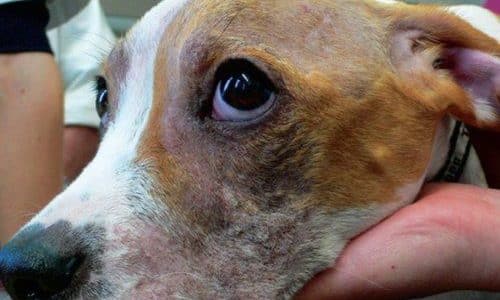 Demodicosis In Dogs Skin Irritating Mites In Dogs
Common Mites And Skin Disease An Overview Veterinary Practice
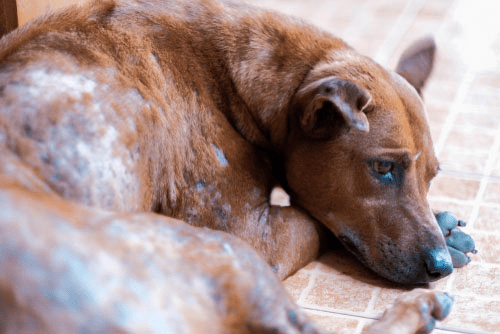 What Is Mange And How To Treat It Fast
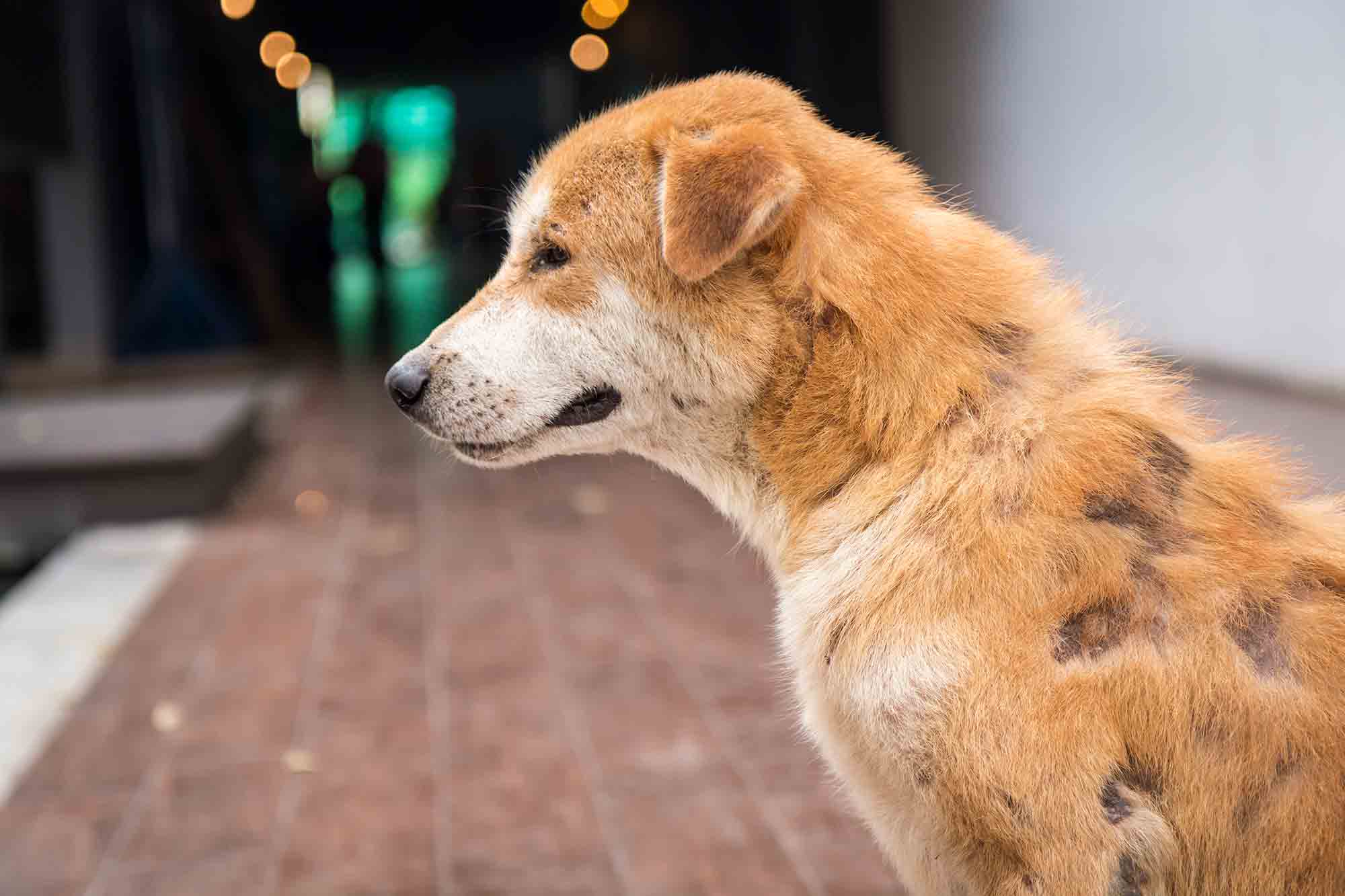 The Mystery Of Mange What Is It And How Is It Treated Beverly Hills Veterinary Associates
Effective Home Remedies For Ear Mites In Dogs
Certainly, here are some effective home remedies for dealing with ear mites in dogs. Please note that while these remedies can help manage mild cases of ear mites, it's crucial to consult your veterinarian for a proper diagnosis and treatment plan, especially if the infestation is severe.
Mineral Oil or Olive Oil:
- How to Use: Warm a small amount of mineral oil or olive oil to room temperature. Use a dropper to put a few drops into your dog's ear canal. Gently massage the base of the ear to help distribute the oil. Allow your dog to shake its head to remove any excess oil and mites. Do this once a day for a week.
- Why it Works: Oil can suffocate the mites and help soothe the irritated ear canal.
Apple Cider Vinegar:
- How to Use: Mix equal parts of water and apple cider vinegar. Soak a cotton ball in the solution and gently clean your dog's ears. Do this once a day for about a week.
- Why it Works: Apple cider vinegar has antimicrobial properties that can help kill mites and prevent infection.
Hydrogen Peroxide and Water:
- How to Use: Mix equal parts of water and 3% hydrogen peroxide. Soak a cotton ball in the solution and clean your dog's ears. Be gentle and avoid pushing debris further into the ear canal. Repeat daily for a week.
- Why it Works: Hydrogen peroxide can help eliminate mites and clear the ear canal.
Aloe Vera Gel:
- How to Use: Apply a small amount of pure aloe vera gel to the inside of your dog's ears. Massage it gently. Use a cotton ball to wipe away any debris that loosens. Repeat daily until symptoms improve.
- Why it Works: Aloe vera has soothing properties that can relieve itching and inflammation.
Neem Oil:
- How to Use: Dilute neem oil with a carrier oil (such as olive oil) in a 1:10 ratio. Apply a few drops of the diluted oil to your dog's ears and massage gently. Repeat daily for a week.
- Why it Works: Neem oil has natural insecticidal properties and can help kill ear mites.
Coconut Oil:
- How to Use: Warm a small amount of coconut oil until it's in a liquid state. Apply a few drops to your dog's ears and massage gently. Repeat every other day for two weeks.
- Why it Works: Coconut oil can smother the mites and provide relief from itching.
Maintain Ear Hygiene:
- Regularly clean your dog's ears with a veterinarian-recommended ear cleaner to prevent mite infestations. Ensure your dog's ears are dry after baths or swimming.
Remember to monitor your dog's condition closely, and if you don't see improvement within a week or if the symptoms worsen, consult your veterinarian. Severe ear mite infestations may require prescription medications for effective treatment. Additionally, always use caution and be gentle when cleaning your dog's ears to avoid causing further discomfort.
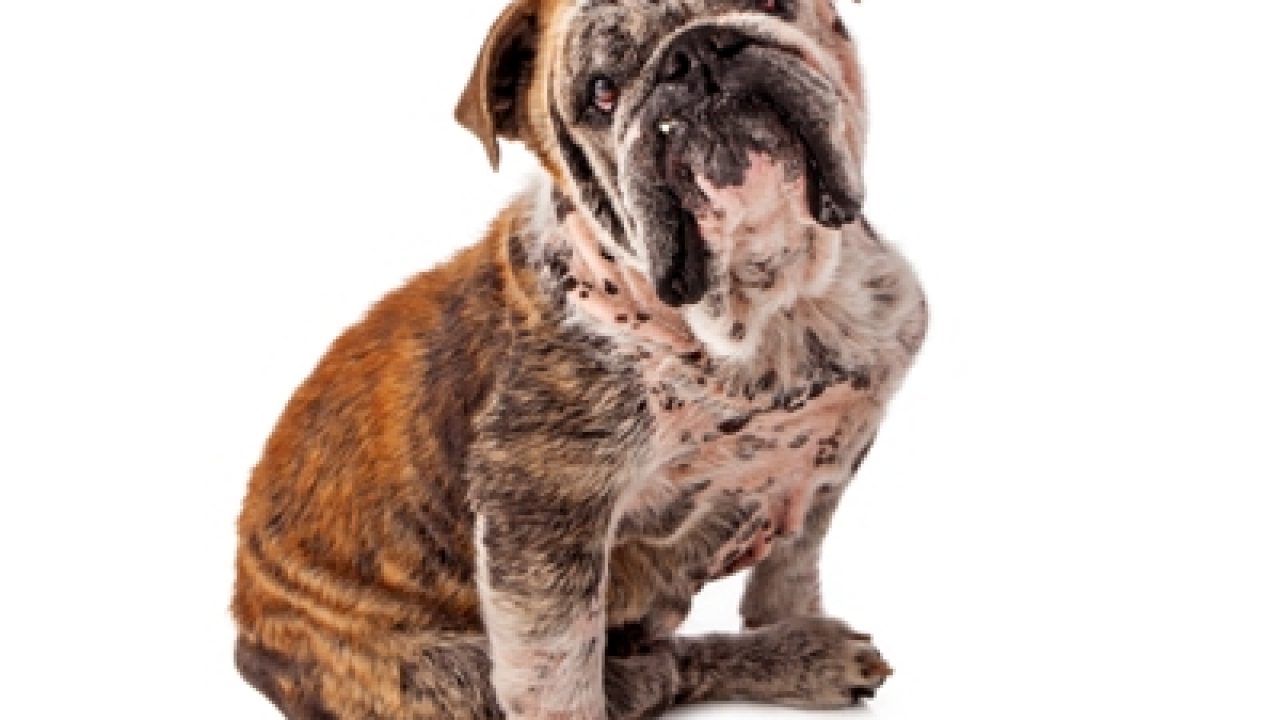 Mange In Dogs Hair Loss Symptoms And Treatment


