Dog Ear Infection Picture
Dog Ear Infection Picture: Signs, Symptoms, and Treatment
Dog ear infections are a common health concern for pet owners, and recognizing the visual signs of an ear infection can be crucial to a dog’s well-being. Understanding what to look for, including specific symptoms and indicators, can help owners take prompt action. This article will provide an in-depth look at what dog ear infections look like, how to recognize their severity, and steps to ensure your pet receives the best care.

Understanding Dog Ear Infections
Dog ear infections can occur in any breed, although some are more susceptible than others due to factors like ear shape and size. Infections are generally categorized into three main types:
- Otitis Externa: An infection in the outer ear canal, often visible to the naked eye.
- Otitis Media: Infection in the middle ear, which can result from an untreated external ear infection.
- Otitis Interna: Inner ear infection, which can affect balance and hearing if left untreated.
All types of ear infections can lead to significant discomfort and, if untreated, may result in more severe complications.
Visual Signs of Dog Ear Infections
In most cases, you’ll notice physical symptoms that indicate an infection is present. Some of these symptoms are quite distinct and can be easily observed. Here are the most common visual indicators:
1. Redness and Inflammation
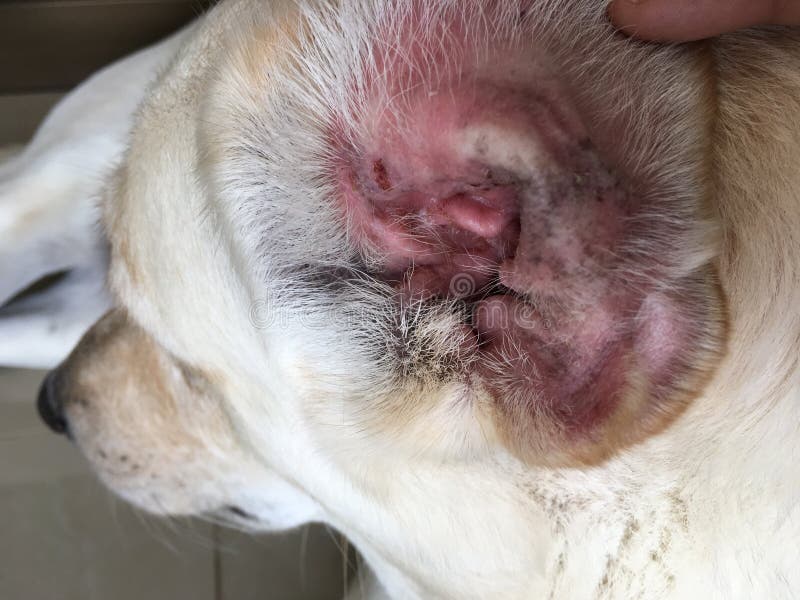
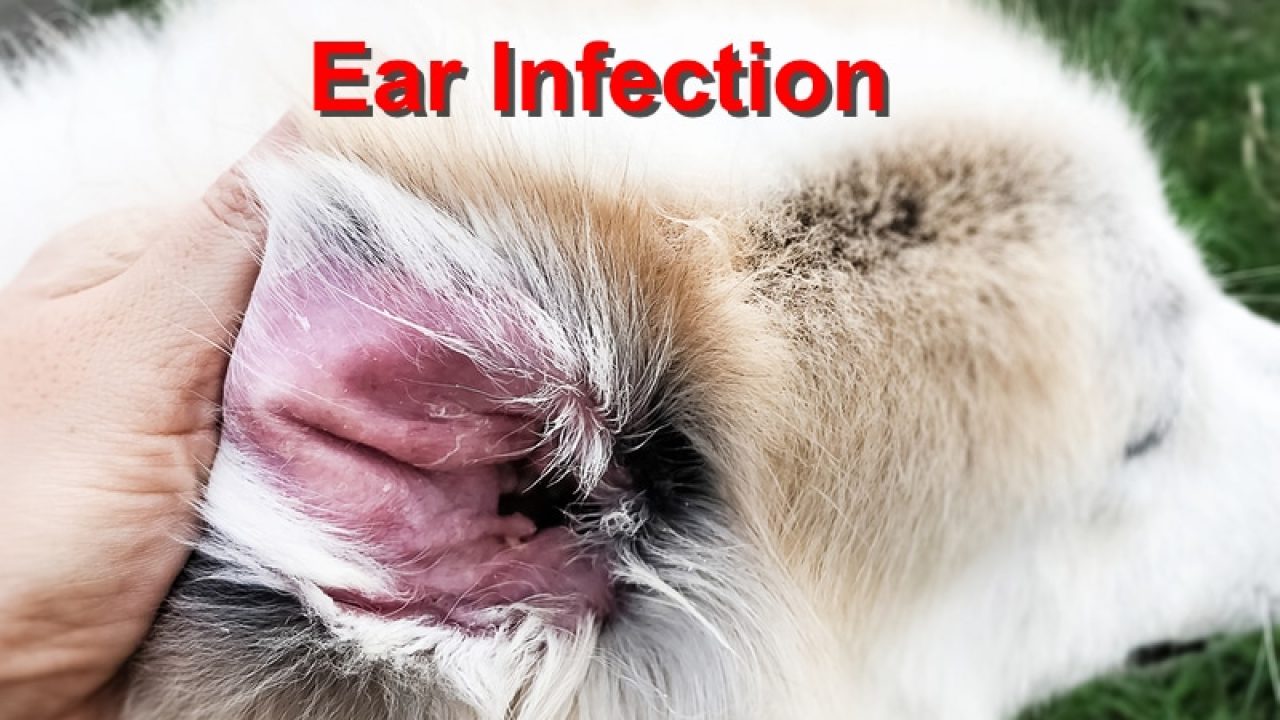
One of the first signs of a dog ear infection is redness inside the ear canal and along the outer edges of the ear. The tissue may appear swollen and warm to the touch. In severe cases, the swelling may be significant, making the ear canal look narrower than usual.
2. Discharge and Fluid Buildup
Another visual cue is discharge coming from the ear. This fluid can vary in color from yellow to brown or even black, depending on the type and severity of the infection. Often, the discharge will have an unpleasant odor, which is a strong indication of bacterial or yeast overgrowth within the ear canal.
3. Crust and Scabbing on the Ear Flap
When ear infections persist, they can lead to the development of crust or scabs around the ear canal or on the ear flap itself. This is usually a result of irritation from excessive scratching or rubbing against surfaces. Crusty buildup around the ear edges can also indicate a more chronic condition.
4. Excessive Ear Wax
Dogs with ear infections may produce an increased amount of ear wax. This wax is often darker than usual and may accumulate more quickly, obstructing the ear canal and contributing to discomfort.
5. Head Tilt and Balance Issues
In severe cases, especially with middle or inner ear infections, dogs may start to exhibit balance problems or hold their head tilted to one side. This indicates that the infection has affected the inner ear, which is responsible for balance.
Common Causes of Dog Ear Infections
Understanding the underlying causes of ear infections can help in both treatment and prevention. Here are some common contributors to ear infections in dogs:
- Allergies: Allergic reactions to food, environmental factors, or fleas can increase earwax production, creating a breeding ground for bacteria and yeast.
- Excess Moisture: Dogs who swim frequently or have their ears cleaned too often may experience moisture buildup, which encourages bacterial growth.
- Ear Mites: These tiny parasites can cause severe itching and inflammation, often leading to infection.
- Foreign Bodies: Seeds, grass, or other foreign objects can become lodged in a dog’s ear, causing irritation and subsequent infection.
- Breed Predisposition: Breeds with long, floppy ears (like Cocker Spaniels) or narrow ear canals (like Shar Peis) are more susceptible to infections due to reduced airflow in the ear canal.
Steps for Immediate Care and Treatment
Prompt treatment of ear infections can prevent complications and ensure faster recovery. Here’s what to do if you suspect your dog has an ear infection:
1. Clean the Ear Carefully
Gently clean the ear using a veterinarian-recommended ear cleaning solution. Avoid inserting anything too deeply into the ear canal, as this can cause damage or push debris further inside. Cleaning should be done with caution and under the guidance of a vet.
2. Use Veterinary Prescribed Medications
Most ear infections require antibiotics, antifungal medication, or anti-inflammatory drugs. These are usually provided as ear drops or ointments. It’s essential to follow the vet’s instructions precisely, applying medication consistently for the recommended duration, even if symptoms improve.
3. Prevent Self-Trauma
To prevent further irritation, it’s essential to limit your dog’s access to scratching or rubbing the infected ear. An Elizabethan collar (cone) can help keep your pet from causing additional harm to the infected area.
4. Re-evaluate Diet and Environment
If your dog suffers from recurrent ear infections, discuss dietary and environmental factors with your vet. Food allergies are a common trigger for ear infections, and switching to a hypoallergenic diet may help reduce the frequency of infections.
Preventing Future Ear Infections in Dogs
Prevention is always preferable to treatment when it comes to ear infections. Here are some effective strategies for preventing future ear infections in your dog:
1. Regular Ear Cleaning
Routine cleaning with a gentle, vet-approved solution can prevent buildup and reduce the risk of infections. However, avoid over-cleaning, as this can disrupt the natural environment of the ear canal.
2. Keep Ears Dry
If your dog enjoys swimming or requires frequent baths, make sure to dry their ears thoroughly afterward. Moisture creates an ideal environment for bacterial growth, so drying the ears with a soft towel or cotton pad can help.
3. Regular Vet Checkups
Regular veterinary checkups can help catch any early signs of infection. Your vet may also recommend specific cleaning or preventive products based on your dog’s breed and lifestyle.
4. Control Allergens
Managing allergens in your dog’s environment and diet can greatly reduce the frequency of ear infections. Work with your vet to identify potential allergens, and consider hypoallergenic food options if necessary.
When to See a Vet for a Dog Ear Infection
While minor infections might improve with basic care, certain signs indicate that a vet visit is essential. Seek veterinary care if you notice:
Persistent symptoms despite home treatment
- Swelling or scabbing that worsens
- Strong, foul-smelling discharge
- Signs of pain, such as whining or head shaking
- Signs of hearing loss or balance issues
These symptoms may indicate a more severe infection that requires professional treatment to prevent lasting complications.
Frequently Asked Questions About Dog Ear Infections
Q1. What breeds are most susceptible to ear infections?
Breeds with floppy ears (like Beagles, Cocker Spaniels, and Basset Hounds) and those with narrow ear canals (such as Bulldogs and Shar Peis) are more prone to ear infections due to limited airflow and increased moisture retention.
Q2. Can I use home remedies to treat my dog’s ear infection?
While some mild infections might respond to over-the-counter solutions, it’s best to consult a vet before attempting home treatment. Using improper substances can worsen the infection or irritate the ear canal.
Q3. How often should I clean my dog’s ears?
The frequency of cleaning depends on the dog’s breed, activity level, and health history. For most dogs, cleaning once every two to four weeks is adequate. However, dogs prone to infections or with heavy earwax buildup may need more frequent cleaning.
Q4. Are ear infections in dogs contagious to humans?
While ear infections themselves are not contagious, ear mites or bacteria causing the infection may pose a risk to other pets. Maintaining good hygiene and treating infections promptly can reduce any risk of transmission.
With diligent care, monitoring, and preventive measures, pet owners can manage and minimize the discomfort of ear infections in dogs. Understanding the symptoms and knowing how to respond quickly can make all the difference in your dog’s health and comfort.


