What Are The 4 Principles Of First Aid: Your Comprehensive Guide
What Are The 4 Principles Of First Aid: Your Comprehensive Guide

Learn the 4 principles of first aid: Recognition, Prevention, Intervention, and Care, in this comprehensive guide. Discover how to apply these principles effectively to save lives.
Introduction
First aid is a crucial skill that can make a significant difference in emergencies. Understanding the principles of first aid equips you to respond effectively in various situations, from minor injuries to life-threatening incidents. In this guide, we'll explore the four key principles of first aid: Recognition, Prevention, Intervention, and Care.
What Are The 4 Principles Of First Aid
1. Recognition
Recognition is the first step in administering first aid. It involves identifying the signs and symptoms of an injury or medical emergency. By recognizing the problem early, you can initiate appropriate care and prevent the situation from worsening.
Recognition in first aid is the critical first step in effectively responding to emergencies. It involves being able to identify signs and symptoms of various injuries or medical conditions. A key aspect of recognition is understanding that early detection can significantly impact the outcome of the situation. For example, recognizing the signs of a heart attack or stroke allows for prompt medical intervention, potentially saving a life.
To recognize effectively, one must be familiar with a wide range of signs and symptoms. This includes understanding the difference between minor and severe bleeding, recognizing the indications of shock, and identifying the signs of respiratory distress. For instance, being able to distinguish between normal breathing and gasping for air can be crucial in assessing someone's condition accurately. Additionally, recognizing the symptoms of a concussion or head injury enables appropriate action to be taken, such as seeking medical attention or providing immediate care.
Furthermore, recognition isn't limited to physical injuries; it also encompasses mental health crises. Recognizing signs of distress, such as panic attacks or anxiety, allows for providing appropriate support and reassurance. In essence, recognition is about being observant, staying calm under pressure, and trusting one's instincts. By honing these skills, individuals can effectively assess situations and take the necessary steps to provide timely and appropriate assistance, ultimately contributing to better outcomes for those in need.
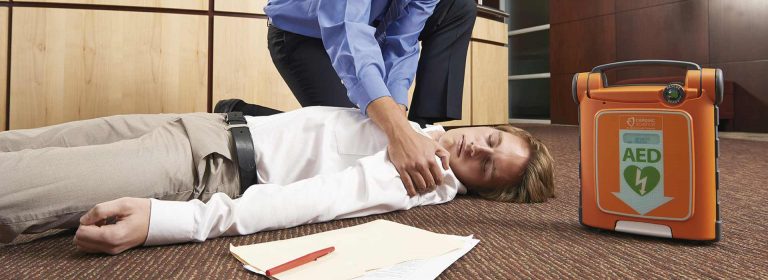
Signs and Symptoms
Signs and symptoms are essential indicators used in first aid to recognize injuries or medical conditions. These cues help first responders or bystanders assess the severity of a situation and determine the appropriate course of action. Understanding signs refers to observable changes in a person's body or behavior, while symptoms are subjective experiences reported by the individual.
In first aid, signs can include visible cues such as bleeding, bruising, swelling, or changes in skin color. For instance, assessing the severity of bleeding is crucial in determining the level of intervention required. Minor bleeding may only require cleaning and bandaging, while severe bleeding may necessitate immediate pressure and elevation to control the flow of blood.
On the other hand, symptoms are what the person affected experiences, such as pain, nausea, dizziness, or difficulty breathing. For example, recognizing the symptoms of a heart attack, such as chest pain, shortness of breath, or sweating, prompts swift action in seeking medical assistance.
Being able to recognize signs and symptoms accurately is vital for providing effective first aid. It enables responders to prioritize care based on the severity of the situation and take appropriate steps to prevent further harm. Additionally, understanding signs and symptoms helps in communicating the situation to medical professionals, facilitating a smoother transition of care for the individual in need.
Recognizing signs and symptoms accurately is essential for providing timely assistance. Here are some common signs and symptoms you may encounter:
- Bleeding: Assess the severity of bleeding, whether it's minor, moderate, or severe.
- Unconsciousness: Check for responsiveness by tapping and shouting.
- Difficulty Breathing: Look for signs of respiratory distress, such as gasping for air or wheezing.
- Chest Pain: This could indicate a heart attack. Ask about the pain's duration and severity.
2. Prevention
Prevention plays a crucial role in minimizing the risk of injuries and accidents. By taking proactive measures, you can create safer environments and reduce the likelihood of emergencies.
Prevention is a fundamental aspect of first aid that focuses on minimizing the risk of injuries and accidents before they occur. By taking proactive measures and implementing safety protocols, individuals can create safer environments and reduce the likelihood of emergencies.
One key component of prevention is conducting a thorough risk assessment. This involves identifying potential hazards in a given environment, whether it's at home, work, or in public spaces. Hazards can range from slippery floors to faulty electrical wiring. By recognizing these hazards, individuals can take steps to eliminate or mitigate them, thereby reducing the risk of accidents.
Another important aspect of prevention is the use of safety equipment. Providing and encouraging the use of appropriate safety gear, such as helmets, seat belts, or goggles, significantly reduces the risk of injuries in various situations. For example, wearing a helmet while cycling or skateboarding can prevent head injuries in the event of a fall, while using seat belts reduces the risk of serious injury in car accidents.
Education and training also play a crucial role in prevention. By educating individuals on safety procedures and emergency protocols, they become better equipped to identify potential risks and respond appropriately in emergencies. Training in first aid and CPR (Cardiopulmonary Resuscitation) empowers individuals to take immediate action when necessary, potentially saving lives.
Prevention in first aid involves identifying hazards, implementing safety measures, and providing education and training to minimize the risk of accidents and injuries. By focusing on prevention, individuals can create safer environments and contribute to the well-being of themselves and others.
Safety Measures
Safety measures are essential components of first aid that aim to prevent accidents and injuries by creating safer environments and promoting awareness of potential hazards. Implementing safety measures involves taking proactive steps to identify and mitigate risks, thereby reducing the likelihood of emergencies.
One key safety measure is conducting thorough risk assessments in various environments, such as workplaces, homes, or public spaces. This involves identifying potential hazards, including physical hazards like slippery floors, sharp objects, or uneven surfaces, as well as environmental hazards like extreme temperatures or poor lighting. By recognizing these hazards, individuals can take steps to eliminate or minimize them, thus reducing the risk of accidents.
Providing and encouraging the use of appropriate safety equipment is another important safety measure. Safety equipment includes items such as helmets, goggles, gloves, or safety harnesses, depending on the specific risks present in the environment. For example, wearing a helmet while riding a bicycle or using safety goggles while working with power tools significantly reduces the risk of head injuries or eye injuries.
Furthermore, implementing safety protocols and procedures is crucial for preventing accidents and promoting a culture of safety. This involves establishing clear guidelines for safe behavior, emergency procedures, and reporting mechanisms for potential hazards. Regular training and drills can help reinforce these protocols and ensure that individuals know how to respond in emergency situations.
Education also plays a vital role in safety measures. By providing training on safety procedures and raising awareness about potential risks, individuals become better equipped to identify hazards and take appropriate action to prevent accidents. Additionally, educating individuals about the importance of safety fosters a sense of responsibility and encourages proactive behavior to maintain a safe environment for everyone.
Safety measures in first aid involve identifying hazards, implementing appropriate safety equipment and protocols, and providing education and training to promote a culture of safety. By prioritizing safety measures, individuals can create safer environments and reduce the risk of accidents and injuries.
Implementing safety measures can prevent accidents and injuries. Here are some preventive actions to consider:
- Risk Assessment: Identify potential hazards and take steps to eliminate or minimize them.
- Safety Equipment: Provide and encourage the use of appropriate safety equipment, such as helmets, seat belts, and goggles.
- Training: Educate individuals on safety procedures and emergency protocols.

3. Intervention
Intervention in first aid refers to the immediate actions taken to address an injury or medical emergency. Effective intervention is crucial for stabilizing the situation, preventing further harm, and providing necessary assistance to the affected individual.
One of the primary interventions in first aid is assessing the scene for safety. Before providing aid, it's essential to ensure that the environment is safe for both the responder and the injured person. This involves checking for any potential hazards, such as traffic, fire, or unstable structures, and taking measures to mitigate these risks.
Once the scene is safe, the next step is to assess the individual's condition and provide appropriate care. This may involve performing basic life support techniques such as CPR (Cardiopulmonary Resuscitation) for someone who is unresponsive and not breathing, or controlling severe bleeding using direct pressure and elevation.
In addition to addressing immediate life-threatening situations, intervention also includes providing comfort and reassurance to the injured person. Offering emotional support and staying calm can help alleviate anxiety and fear, promoting a sense of security and trust in the responder.
Furthermore, intervention involves communicating effectively with emergency medical services (EMS) and coordinating the arrival of professional medical assistance. Providing detailed information about the nature of the injury or medical condition, as well as any interventions already performed, helps EMS responders prepare for the situation and deliver appropriate care upon arrival.
Overall, effective intervention in first aid requires prompt action, assessment of the scene, provision of appropriate care, and communication with EMS. By intervening quickly and decisively, responders can improve the outcome for the injured person and potentially save lives.
Intervention involves taking immediate action to address the situation and provide necessary assistance. Knowing how to intervene effectively can save lives and prevent further harm.
First Aid Techniques
Mastering first aid techniques is essential for effective intervention. Here are some basic techniques to learn:
- CPR (Cardiopulmonary Resuscitation): Perform chest compressions and rescue breaths to maintain blood circulation and oxygenation.
- Heimlich Maneuver: Use abdominal thrusts to dislodge objects obstructing the airway.
- Bandaging: Apply appropriate bandages to control bleeding and support injured limbs.
- Splinting: Immobilize fractures and sprains with splints to prevent further injury.
4. Care
Care in first aid encompasses the compassionate and competent assistance provided to individuals who have been injured or are experiencing a medical emergency. Beyond addressing the physical aspects of the situation, providing care involves offering comfort, support, and reassurance to the affected person.
One key aspect of care is demonstrating empathy and understanding towards the individual's situation. Being empathetic involves actively listening to the person, acknowledging their feelings, and showing compassion. For example, if someone is feeling scared or anxious, offering words of reassurance and comfort can help alleviate their distress.
Another important element of care is ensuring the individual's physical comfort and safety. This may involve providing blankets, pillows, or other items to make them more comfortable, as well as ensuring that the environment is conducive to their well-being. Creating a safe and secure environment helps the person feel more at ease and allows them to focus on their recovery.
Communication is also a crucial part of providing care. Keeping the person informed about what is happening and what to expect can help reduce anxiety and uncertainty. Explaining the actions being taken and involving them in decision-making whenever possible fosters a sense of control and empowerment.
Additionally, providing care includes attending to the person's basic needs, such as hydration, nutrition, and hygiene. Offering water or snacks, if appropriate, and helping with tasks like washing hands or cleaning wounds contributes to the person's overall comfort and well-being.
Finally, caring for the individual also involves recognizing when professional medical assistance is needed and facilitating their access to it. This may involve calling emergency services, providing information to medical responders, and ensuring a smooth transition of care.
Care in first aid goes beyond addressing the physical aspects of an injury or medical emergency. It involves demonstrating empathy, ensuring physical comfort and safety, effective communication, attending to basic needs, and facilitating access to professional medical assistance. By providing compassionate and competent care, responders can help promote healing and recovery in those in need.
Providing proper care is crucial for the recovery and well-being of the injured individual. By offering compassionate care, you can alleviate pain and promote healing.
Compassionate Assistance
Compassionate assistance is a cornerstone of effective first aid, emphasizing the importance of providing care with empathy, kindness, and understanding. It involves not only addressing the physical needs of the individual but also attending to their emotional well-being during a challenging or distressing situation.
One key aspect of compassionate assistance is listening actively to the individual. Taking the time to listen to their concerns, fears, and questions demonstrates empathy and validates their feelings. By providing a supportive presence and allowing the person to express themselves, responders can help alleviate anxiety and provide a sense of comfort.
Offering reassurance is another crucial element of compassionate assistance. Assuring the individual that they are not alone and that help is available can provide much-needed comfort in moments of distress. Reassurance can take many forms, from offering words of encouragement to holding a hand or providing a comforting touch.
Empathy is at the heart of compassionate assistance, enabling responders to understand and connect with the individual's emotions. Putting oneself in the person's shoes and imagining how they might be feeling fosters a deeper sense of understanding and allows for more meaningful support.
Moreover, showing respect for the individual's dignity and autonomy is essential in providing compassionate assistance. Respecting their privacy, preferences, and cultural or religious beliefs helps maintain their sense of dignity and promotes a more positive experience during a challenging situation.
Lastly, compassion in first aid involves offering practical help and support. This can include assisting with tasks such as finding a comfortable position, providing water or snacks if appropriate, or helping them communicate with emergency services or medical professionals.
Compassionate assistance in first aid involves actively listening, offering reassurance, demonstrating empathy, respecting dignity and autonomy, and providing practical support. By approaching care with compassion and kindness, responders can make a significant difference in the well-being and recovery of those in need.
FAQs (Frequently Asked Questions)
How Do I Recognize Signs of Shock?
Signs of shock include pale, clammy skin, rapid breathing, and a weak pulse. If you suspect someone is in shock, lay them down, elevate their legs, and call for emergency medical assistance.
What Should I Do If Someone Is Choking?
If someone is choking, encourage them to cough forcefully. If they can't dislodge the object, perform the Heimlich maneuver. Stand behind the person, wrap your arms around their waist, and deliver quick upward thrusts to their abdomen.
How Do I Administer CPR?
To administer CPR, place the heel of your hand on the center of the person's chest, between the nipples. Lock your elbows and compress the chest at least 2 inches deep at a rate of 100-120 compressions per minute. After 30 compressions, give two rescue breaths.
When Should I Call Emergency Services?
Call emergency services immediately for serious injuries, such as severe bleeding, unconsciousness, difficulty breathing, chest pain, or suspected spinal injuries.
How Do I Treat Burns?
For minor burns, run cool water over the affected area for at least 10 minutes to alleviate pain and reduce swelling. Cover the burn with a sterile bandage. Seek medical attention for severe burns.
What Should I Include in a First Aid Kit?
A basic first aid kit should contain adhesive bandages, gauze pads, adhesive tape, antiseptic wipes, scissors, tweezers, gloves, a CPR mask, and a first aid manual.
Conclusion
Understanding the four principles of first aid—Recognition, Prevention, Intervention, and Care—is essential for anyone interested in providing assistance during emergencies. By mastering these principles and acquiring the necessary skills, you can make a difference in critical situations and potentially save lives.


