First Aid Kit vs Trauma Kit: Key Differences, Uses & Buying Guide
First Aid Kit vs Trauma Kit:
Understanding the Key Differences and Choosing the Right Emergency Kit
Accidents and medical emergencies can happen anytime, whether at home, in
the workplace, on the road, or during outdoor adventures. Being prepared with
the right medical supplies can make a significant difference in reducing
injuries and even saving lives before professional medical help arrives.
However, many people assume that a first aid kit and a trauma kit
are the same. While both are designed to provide emergency care, they serve
different purposes and contain different equipment.
Understanding the differences between a First Aid Kit vs Trauma Kit
is essential for families, businesses, first responders, hikers, campers,
security personnel, and anyone who wants to be prepared for emergencies. A
standard first aid kit is intended to treat minor injuries and common medical
issues, whereas a trauma kit is specifically designed to manage severe,
life-threatening injuries such as heavy bleeding, penetrating wounds, and
traumatic accidents.
In this comprehensive guide, we'll compare first aid kits and trauma
kits, explain their contents, discuss when each should be used, and help you
determine which type of emergency kit best suits your needs.

What Is a First Aid Kit?
A first aid kit is a collection of medical supplies used to treat
minor injuries and stabilize patients until further medical care is available.
It is commonly found in homes, schools, offices, vehicles, and recreational
facilities.
The primary purpose of a first aid kit is to handle everyday medical
situations, including:
- Small cuts and
scrapes
- Minor burns
- Bruises
- Nosebleeds
- Sprains
- Insect bites
- Allergic skin
reactions
- Blisters
A first aid kit focuses on cleaning wounds, preventing infection, controlling minor bleeding, and providing basic comfort until healing begins.
What Is a Trauma Kit?
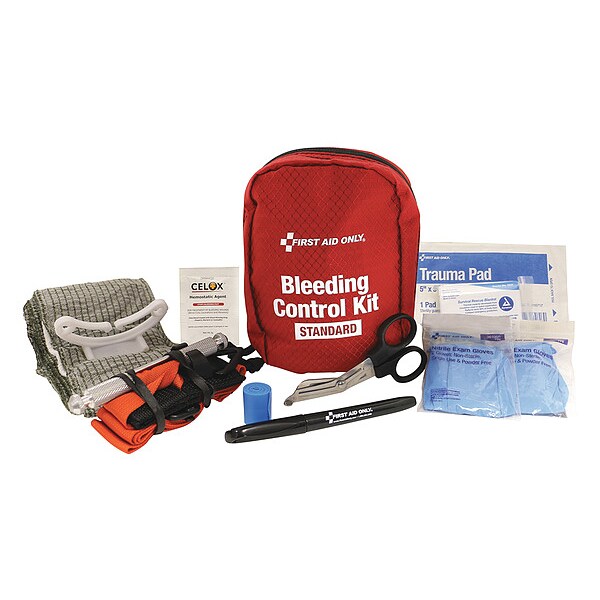
A trauma kit, sometimes called an Individual First Aid Kit
(IFAK) or Bleeding Control Kit, is specifically designed for serious
emergencies involving severe injuries.
Trauma kits are intended to stabilize patients experiencing:
- Massive
bleeding
- Gunshot wounds
- Knife injuries
- Serious vehicle
accidents
- Industrial
accidents
- Deep
lacerations
- Amputations
- Crush injuries
- Penetrating
trauma
Unlike a basic first aid kit, a trauma kit prioritizes life-saving
interventions that help control life-threatening bleeding and maintain survival
until emergency medical services arrive.
First Aid Kit vs Trauma Kit: The
Main Differences
Although both kits support emergency care, they differ significantly in
purpose, equipment, and level of treatment.
|
Feature |
First Aid Kit |
Trauma Kit |
|
Purpose |
Minor injuries |
Life-threatening
injuries |
|
Typical User |
Families, offices,
schools |
First responders,
law enforcement, outdoor professionals |
|
Bleeding Control |
Minor cuts |
Severe hemorrhage |
|
Medical Equipment |
Basic supplies |
Advanced bleeding
control tools |
|
Skill Level |
Basic first aid
knowledge |
Often requires
specialized training |
|
Common Location |
Homes, vehicles,
workplaces |
Police vehicles,
ambulances, construction sites, tactical gear |
When Should You Use a First Aid
Kit?
A first aid kit is appropriate when treating injuries that are not
immediately life-threatening.
Examples include:
Minor Cuts
Small cuts can usually be cleaned with antiseptic wipes and covered using
adhesive bandages.
Scrapes and Abrasions
Cleaning dirt from wounds helps reduce the risk of infection.
Minor Burns
Burn gel and sterile dressings can help relieve pain and protect damaged
skin.
Sprains
Elastic compression bandages provide support while reducing swelling.
Blisters
Protective blister pads prevent further irritation.
Nosebleeds
Gauze pads can help control mild bleeding.
Insect Bites
Antihistamine cream and cold packs reduce itching and swelling.

When Should You Use a Trauma Kit?
Trauma kits are intended for emergencies where immediate intervention may
save a person's life.
Examples include:
Severe Bleeding
A tourniquet may be necessary to stop arterial bleeding from an injured
limb.
Gunshot Wounds
Pressure dressings and hemostatic gauze help control massive blood loss.
Stab Wounds
Chest seals may be used if the injury involves the chest cavity.
Serious Car Accidents
Trauma kits help stabilize victims until paramedics arrive.
Industrial Accidents
Heavy machinery injuries often require advanced bleeding control
equipment.
Hunting and Outdoor Emergencies
Remote locations increase emergency response times, making trauma kits
particularly valuable.
Contents of a Standard First Aid
Kit
Most first aid kits include supplies for treating everyday injuries.
Typical contents include:
- Adhesive
bandages
- Sterile gauze
pads
- Medical tape
- Antiseptic
wipes
- Alcohol prep
pads
- Antibiotic
ointment
- Burn cream
- Elastic bandage
- Disposable
gloves
- Tweezers
- Scissors
- Instant cold
pack
- Cotton swabs
- Thermometer
- Eye wash
solution
- CPR face shield
- Emergency
blanket
- Pain relievers
(where appropriate)
- First aid
instruction booklet
These supplies are designed to address common medical needs quickly and
effectively.
Contents of a Trauma Kit
Trauma kits contain specialized equipment for controlling
life-threatening injuries.
Common items include:
- CAT or SOF-T
tourniquet
- Hemostatic
gauze
- Israeli
pressure bandage
- Emergency
trauma dressing
- Chest seals
- Compressed
gauze
- Trauma shears
- Nitrile gloves
- Nasopharyngeal
airway (for trained users)
- Emergency
blanket
- Permanent
marker (to record tourniquet application time)
- CPR barrier
device
- Medical tape
- Elastic wrap
- Triangular
bandage
These items are specifically selected to stabilize critically injured
patients during the first few minutes after trauma.
Which Kit Is Better?
The answer depends entirely on your environment and potential risks.
A first aid kit is ideal for:
- Homes
- Schools
- Offices
- Hotels
- Restaurants
- Daycare centers
- Personal
vehicles
A trauma kit is better suited for:
- Construction
sites
- Manufacturing
facilities
- Security teams
- Police officers
- Firefighters
- Hunters
- Campers
- Hikers
- Off-road
travelers
- Shooting ranges
- Search and
rescue teams
Many organizations choose to keep both kits available, ensuring
they are prepared for both minor incidents and life-threatening emergencies.
Do You Need Both a First Aid Kit and a
Trauma Kit?
For many individuals and businesses, the best solution is not choosing
one over the other—but having both.
A first aid kit handles routine injuries, while a trauma kit provides
life-saving equipment for severe emergencies. Together, they create a more
complete emergency preparedness system.
For example:
|
Environment |
Recommended Setup |
|
Home |
First aid kit + basic bleeding control supplies |
|
Office |
First aid kit + trauma kit for larger workplaces |
|
Construction site |
Comprehensive trauma kit + first aid kit |
|
Vehicle |
Compact first aid kit + tourniquet |
|
Camping/Hiking |
Lightweight first aid kit + trauma kit |
|
Shooting range |
Full trauma kit with multiple tourniquets |
Training Matters: Equipment Alone Is
Not Enough
Owning emergency supplies is important, but knowing how to use them
correctly is even more important.
First Aid Training
Basic first aid training typically covers:
- Wound cleaning
- Bandaging
- Burn care
- CPR
- Choking
response
- Shock
management
Trauma Training
Trauma care often includes:
- Tourniquet
application
- Hemostatic
gauze use
- Pressure
dressing techniques
- Chest seal
application
- Airway
management
- Rapid patient
assessment
Programs such as Stop the Bleed have become increasingly popular because
they teach ordinary people how to control severe bleeding before emergency
responders arrive.
How to Maintain Your Emergency Kits
Both first aid kits and trauma kits require regular maintenance.
Check Expiration Dates
Items such as medications, antiseptics, and hemostatic dressings may
expire.
Replace Used Supplies
Replenish items immediately after use.
Inspect Packaging
Damaged sterile packaging should be replaced.
Store Properly
Keep kits in a cool, dry, and easily accessible location.
Review Annually
Conduct a complete inventory check at least once a year.
Common Mistakes People Make
Many people unintentionally reduce the effectiveness of their emergency
kits.
Common mistakes include:
- Buying a kit
and never checking it again
- Storing kits in
hard-to-reach locations
- Removing
supplies without replacing them
- Relying on
expired medications
- Keeping only a
small first aid kit for high-risk activities
- Owning a trauma
kit without learning how to use it
Which Kit Should You Buy?
Consider these questions:
Choose a First Aid Kit if:
- You want
protection against everyday injuries.
- You need
supplies for home, office, or school.
- You have
children.
- You want a
general emergency kit.
Choose a Trauma Kit if:
- You work in a
high-risk environment.
- You spend time
in remote areas.
- You participate
in hunting or shooting sports.
- You travel
off-road.
- You want
advanced bleeding-control capability.
Choose Both if:
- You want
comprehensive preparedness.
- You manage a
workplace.
- You organize
outdoor activities.
- You are
responsible for the safety of others.
Frequently Asked Questions (FAQs)
Is a trauma kit the same as a first
aid kit?
No. A trauma kit is specifically designed for life-threatening injuries,
while a first aid kit is intended for minor injuries and basic medical care.
Can a trauma kit replace a first aid
kit?
Not completely. Trauma kits often lack many supplies needed for everyday
injuries, such as adhesive bandages, burn cream, and common medications.
Should every car have a trauma kit?
Many safety experts recommend keeping at least a tourniquet and
bleeding-control supplies in vehicles, especially for long-distance travel.
Do I need training to use a trauma
kit?
Yes. While some items are straightforward, proper training greatly
improves effectiveness and safety.
What is the most important item in a
trauma kit?
For many severe bleeding emergencies, a tourniquet is considered one of
the most critical life-saving tools.
Conclusion
The debate between First Aid Kit vs Trauma Kit is not about which one is
universally better—it is about understanding different levels of emergency
preparedness.
A first aid kit is essential for treating everyday injuries such as cuts,
burns, and sprains. A trauma kit is designed for severe emergencies involving
massive bleeding and life-threatening trauma. For homes, offices, vehicles, and
outdoor activities, many people benefit from keeping both types of kits
available.
Ultimately, the best emergency kit is the one that matches your
environment, your risks, and your level of training. Being prepared today can
make a critical difference when an emergency happens tomorrow.


